Home Improvements That Help You Save Resources Long-Term
Key Takeaways
- Energy-efficient upgrades can significantly reduce long-term utility costs and improve home comfort
- Proper insulation and roofing play a major role in maintaining indoor temperature and efficiency
- Water-saving fixtures and smart landscaping help conserve resources and lower bills
- Upgrading appliances and lighting can improve performance while reducing energy consumption
- Regular maintenance prevents resource waste and extends the lifespan of home systems
- Smart home technology helps monitor and optimize energy and water usage
- Choosing sustainable materials supports long-term durability and environmental responsibility
Making improvements to your home isn’t just about aesthetics or comfort—it’s also an opportunity to reduce long-term costs and conserve valuable resources. With rising utility expenses and growing environmental awareness, more homeowners are focusing on upgrades that improve efficiency and sustainability.
The right home improvements can lower energy consumption, reduce water usage, and minimize maintenance costs over time. By making smart, strategic changes, you can create a home that is both cost-effective and environmentally responsible.
This guide explores practical upgrades that deliver long-term savings while enhancing your home’s functionality and value.
Why Focus on Resource-Saving Home Improvements?
Resource-saving upgrades are designed to reduce waste and improve efficiency. These improvements benefit both your wallet and the environment.
Key Benefits
- Lower energy and water bills
- Reduced environmental impact
- Increased home value
- Improved comfort and performance
Investing in efficiency today leads to long-term financial and environmental rewards.
How Can You Improve Energy Efficiency at Home?
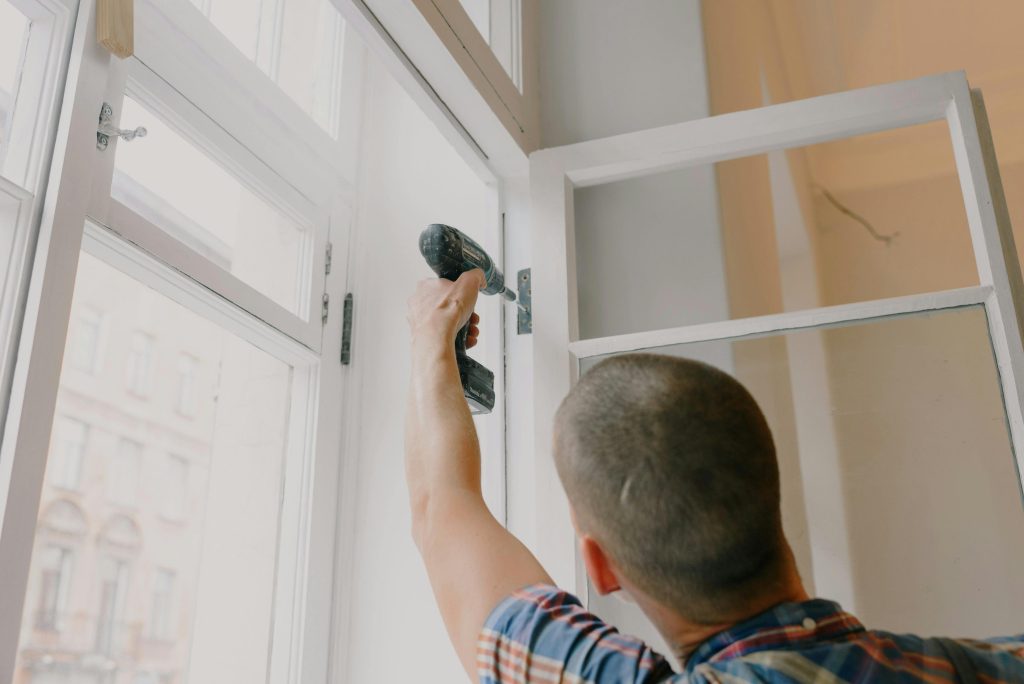
Energy efficiency is one of the most effective ways to save resources and lower long-term household expenses. By reducing the amount of energy your home consumes, you not only cut down on utility bills but also lessen your environmental impact. Even small upgrades can make a noticeable difference, especially when combined with consistent energy-saving habits.
Improving efficiency starts with identifying where energy is being lost or overused. Common problem areas include poor insulation, outdated appliances, and inefficient lighting. Addressing these issues allows your home to operate more smoothly while maintaining a comfortable indoor environment.
Energy-Saving Upgrades
- Install energy-efficient windows: Modern windows help reduce heat transfer, keeping your home cooler in summer and warmer in winter
- Upgrade insulation in walls and attics: Proper insulation prevents energy loss and reduces the need for excessive heating or cooling
- Use LED lighting throughout the home: LED bulbs consume less electricity and last longer than traditional lighting options
- Replace outdated appliances with energy-efficient models: Newer appliances are designed to use less energy while delivering better performance
These changes help maintain consistent indoor temperatures and reduce energy waste. Over time, improved energy efficiency leads to lower costs, increased comfort, and a more sustainable home.
What Role Does Insulation Play in Saving Resources?
Insulation acts as a barrier that keeps your home comfortable year-round. Without proper insulation, your heating and cooling systems have to work harder.
Benefits of Proper Insulation
- Prevents heat loss in winter
- Keeps cool air inside during summer
- Reduces energy consumption
- Improves indoor comfort
Upgrading insulation is one of the most cost-effective ways to improve efficiency.
How Can You Reduce Water Usage at Home?
Water conservation is another important aspect of sustainable living. While it may seem like small changes won’t make a big difference, consistent efforts can lead to significant savings over time. Reducing water usage not only lowers your utility bills but also helps preserve a vital natural resource, especially in areas where water supply can fluctuate.
Improving water efficiency starts with identifying where water is most commonly used in your home—such as bathrooms, kitchens, and outdoor spaces. By making targeted upgrades and adopting better habits, you can reduce waste without sacrificing comfort or convenience.
Water-Saving Improvements
- Install low-flow faucets and showerheads: These fixtures reduce water usage while maintaining adequate pressure for daily use
- Fix leaks promptly: Even small leaks can waste a large amount of water over time if left unaddressed
- Use water-efficient appliances: Modern washing machines and dishwashers are designed to use less water while delivering better performance
- Collect rainwater for outdoor use: Rainwater can be used for watering plants, reducing reliance on your main water supply
Reducing water usage not only lowers bills but also helps conserve a vital resource. Over time, these simple improvements contribute to a more efficient home and a more sustainable lifestyle.
Why Should You Upgrade Your Roofing System?
Your roof plays a crucial role in your home’s energy efficiency. A well-maintained and properly designed roof can reduce heat transfer and improve insulation.
Roofing Improvements That Save Resources
- Install reflective roofing materials
- Ensure proper ventilation
- Repair leaks and damaged areas
- Upgrade to energy-efficient roofing systems
Understanding how to choose roofing company is essential when planning roofing upgrades, as the right professionals can ensure quality work and long-term performance.
How Can Smart Home Technology Help?
Smart home technology allows you to monitor and control energy usage more effectively, giving you greater insight into how your home consumes resources. Instead of relying on guesswork, these systems provide real-time data and automation that help you make more efficient decisions. Over time, this leads to reduced energy waste, lower utility bills, and a more comfortable living environment.
One of the biggest advantages of smart technology is convenience. Many systems can be controlled remotely through mobile apps, allowing you to adjust settings even when you’re not at home. This level of control ensures that energy is only used when needed, preventing unnecessary consumption.
Smart Upgrades to Consider
- Smart thermostats: Automatically adjust temperature based on your schedule and preferences, reducing energy use when heating or cooling isn’t needed
- Energy monitoring systems: Track how much energy your home uses and identify areas where you can cut back
- Automated lighting controls: Turn lights on or off based on occupancy or time of day to avoid wasting electricity
- Smart irrigation systems: Optimize watering schedules based on weather conditions, preventing overwatering
These tools help optimize resource usage and reduce waste. By integrating smart technology into your home, you can create a more efficient, responsive system that supports long-term savings and sustainability.
What Are the Benefits of Energy-Efficient Appliances?
Modern appliances are designed to use less energy and water while delivering better performance.
Appliance Upgrades
- Energy-efficient refrigerators
- High-efficiency washing machines
- Low-energy dishwashers
- Induction cooktops
Replacing old appliances can lead to noticeable savings over time.
How Can You Improve Heating and Cooling Systems?
Heating and cooling systems account for a large portion of energy usage in most homes.
HVAC Efficiency Tips
- Schedule regular maintenance
- Replace air filters regularly
- Upgrade to energy-efficient systems
- Seal ducts to prevent air leaks
Efficient systems reduce energy consumption and improve comfort.
Why Is Lighting Important for Resource Savings?
Lighting is often overlooked, but it can have a significant impact on energy usage.
Lighting Improvements
- Switch to LED bulbs
- Use natural light whenever possible
- Install dimmer switches
- Use motion sensors
These changes reduce electricity consumption and extend bulb lifespan.
How Can You Use Sustainable Materials?
Choosing sustainable materials is an effective way to reduce your home’s environmental impact while also improving durability and long-term performance. These materials are designed to use fewer natural resources, produce less waste, and often last longer than conventional options. By incorporating them into your home improvements, you create a space that is both eco-friendly and cost-efficient over time.
Sustainable materials also contribute to healthier indoor environments. Many traditional building products contain chemicals that can affect air quality, while eco-friendly alternatives are designed to minimize harmful emissions and promote better living conditions.
Eco-Friendly Material Options
- Recycled or reclaimed wood: Reuses existing materials for flooring, furniture, or structural elements, reducing the need for new resources
- Bamboo flooring: A fast-growing, renewable material that offers durability and a modern appearance
- Low-VOC paints: Reduce indoor air pollution by limiting harmful chemical emissions
- Natural insulation materials: Options like wool, cotton, or cellulose provide effective insulation while being environmentally friendly
These materials support long-term sustainability and reduce waste. By choosing eco-friendly options, you not only protect the environment but also create a home that is healthier, more durable, and better suited for long-term living.
What Landscaping Choices Save Resources?
Your outdoor space can also contribute to resource savings.
Sustainable Landscaping Ideas
- Use drought-resistant plants
- Install efficient irrigation systems
- Add mulch to retain moisture
- Reduce lawn areas
These practices reduce water usage and maintenance needs.
How Can You Reduce Waste at Home?
Minimizing waste is an important part of resource conservation.
Waste Reduction Tips
- Recycle and compost regularly
- Avoid single-use products
- Repair instead of replacing items
- Donate unused goods
Reducing waste helps create a more sustainable lifestyle.
How Do Windows and Doors Affect Efficiency?
Windows and doors can be major sources of energy loss if not properly sealed.
Improvement Tips
- Install energy-efficient windows
- Seal gaps and cracks
- Use weather stripping
- Upgrade to insulated doors
These upgrades help maintain indoor temperatures and reduce energy costs.
What Are Long-Term Maintenance Strategies?
Regular maintenance ensures that your home continues to operate efficiently.
Maintenance Tips
- Inspect systems regularly
- Address issues early
- Keep appliances clean and functional
- Monitor energy usage
Preventative care helps avoid costly repairs and resource waste.
How Can You Balance Cost and Savings?

While some upgrades require an upfront investment, they often pay off over time.
Smart Investment Tips
- Prioritize high-impact improvements
- Consider long-term savings
- Look for rebates and incentives
- Plan upgrades in phases
Balancing cost and benefits ensures a better return on investment.
Final Thoughts on Resource-Saving Home Improvements
Improving your home with resource-saving upgrades is a smart and practical investment. By focusing on energy efficiency, water conservation, and sustainable materials, you can reduce costs while creating a more comfortable living space.
Small changes can lead to significant long-term benefits. With thoughtful planning and consistent maintenance, your home can become more efficient, environmentally friendly, and cost-effective for years to come.