
How to Design a Low-Maintenance Eco-Friendly Yard
Designing a sustainable yard is a rewarding journey that balances environmental stewardship with the practical desire for a beautiful, manageable outdoor space. Transitioning away from high-input, high-water lawns toward an intentional ecosystem reduces your carbon footprint and invites local biodiversity back to your doorstep. By focusing on native species and regenerative practices, you create a landscape that thrives with minimal human intervention.
Assessing Your Site for Sustainable Success

Before digging into the soil, you must understand the unique climate, drainage patterns, and light levels of your property. Identifying the microclimates in your yard allows you to place plants where they will naturally thrive, which drastically reduces the need for supplemental watering or chemical interventions later. You should spend several weeks observing how water moves across your land during heavy rains and where the shadows fall during the peak of summer.
Many homeowners find that partnering with professional landscaping companies during the planning phase ensures the foundational design is sound. These experts can help map out zones for native plant clusters, rain gardens, and permeable pathways that manage runoff effectively. A professional perspective is especially helpful when trying to determine which existing plants are invasive and which are providing actual ecological value to your local songbirds and pollinators.
A crucial part of site preparation involves clearing out dead or invasive elements that hinder new growth. Utilizing a professional stump removal service ensures that old root systems are fully addressed, preventing fungal spread and creating a level canvas for your eco-friendly garden beds. Removing these subterranean obstacles early on prevents future headaches when you begin installing underground irrigation or structural footings for new garden features.
Establishing a Resilient Green Foundation
The traditional American lawn is often the most resource-heavy part of a property. Replacing or augmenting it with sustainable alternatives requires a focus on soil health and efficient planting techniques that prioritize long-term stability over quick, chemical-induced results. Consider reducing the total square footage of your mowed grass and replacing it with “no-mow” fescue mixes or wildflower meadows that support the local insect population.
For those who still desire a grassy area for children or pets, hydroseeding with a mix of clover and native fescues is an excellent, eco-friendly option. This method uses a slurry that protects seeds and retains moisture, resulting in a deeper root system that requires significantly less water once established. Because the seeds are encased in a nutrient-rich mulch during application, they have a much higher survival rate compared to traditional hand-broadcasting methods.
To maintain these areas without the noise and fumes of gas-powered equipment, homeowners are turning to battery-operated tools. Electric lawn spreaders are perfect for distributing organic fertilizers or lime, offering precise application that prevents runoff into local waterways while keeping your maintenance routine carbon-neutral. These modern tools provide consistent coverage without the jerky motion of manual crank versions, ensuring your soil amendments are spread evenly across the entire landscape.
- Soil Testing: Always perform a pH test before adding amendments.
- Aeration: Use manual or electric aerators to reduce soil compaction.
- Overseeding: Apply native seeds annually to maintain a thick, weed-resistant carpet.
- Water Timing: Water early in the morning to minimize evaporation.
Prioritizing Long-Term Tree and Canopy Health
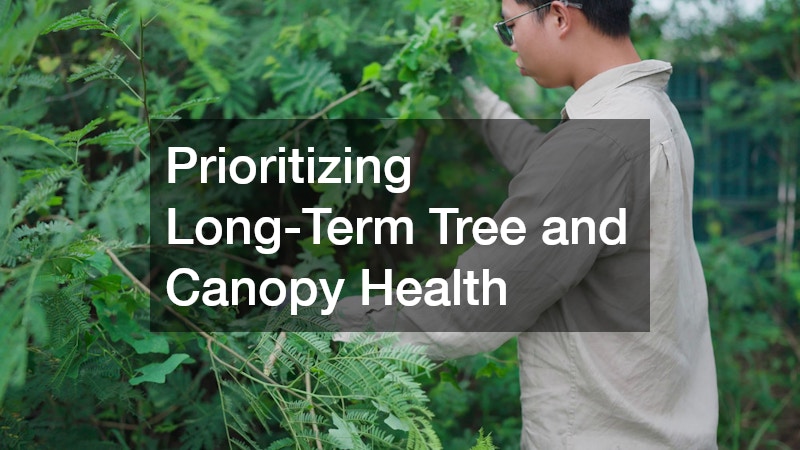
Trees are the lungs of your landscape, providing shade that can lower home cooling costs and creating habitats for local wildlife. Proper care during the early stages of your yard redesign ensures these giants remain assets rather than liabilities as they age. A healthy canopy can reduce the ambient temperature of your yard by up to ten degrees, creating a natural cooling effect that benefits your entire neighborhood.
Consulting an arborist service is a proactive way to assess the health of existing timber. These specialists can identify structural weaknesses or disease early on, ensuring your trees remain carbon-sinking powerhouses for decades to come. Their expertise is invaluable when deciding which trees can be saved and which might pose a risk to your home during high winds or heavy snow loads.
Safety and efficiency also play a role in canopy management. Regular use of a tree trimming service removes deadwood and thins out heavy branches, which allows more sunlight to reach understory plants and improves the wind resistance of the tree during seasonal storms. Proper pruning also encourages fruit production in edible landscapes and prevents branches from scraping against your roof or siding, which protects your home’s exterior envelope.
Building Low-Impact Structures for Outdoor Living
Sustainable yards should be functional spaces that encourage you to spend more time outdoors. When adding hardscaping or structural elements, the goal is to use durable, responsibly sourced materials that integrate seamlessly with the natural environment. Think of your outdoor living area as an extension of your home that requires no heating, no cooling, and very little cleaning.
Working with experienced deck builders who specialize in reclaimed wood or high-quality composite materials can create a beautiful transition between your home and garden. A well-designed deck reduces soil compaction in high-traffic areas and provides a permeable surface for rain to reach the ground. By elevating your seating area, you also create opportunities for “dry shade” gardening underneath the structure, where shade-loving species can thrive.
Modernizing your outdoor lighting is another way to enhance the space while staying green. An electrician can install low-voltage LED systems or solar-integrated timers, ensuring your yard is safely illuminated at night without wasting electricity or contributing to significant light pollution. Proper wiring also allows for the installation of outdoor ceiling fans on covered porches, which can keep pests away naturally by creating a breeze they cannot fly through.
- Permeable Pavers: Use gravel or spaced stones to allow water to soak into the earth.
- Reclaimed Materials: Source stone or wood from local salvage yards to reduce transport emissions.
- Solar Accents: Use individual solar stakes for paths that do not require high-intensity light.
- Rain Barrels: Position structures so that gutters feed directly into collection tanks.
Natural Maintenance and Ecosystem Protection
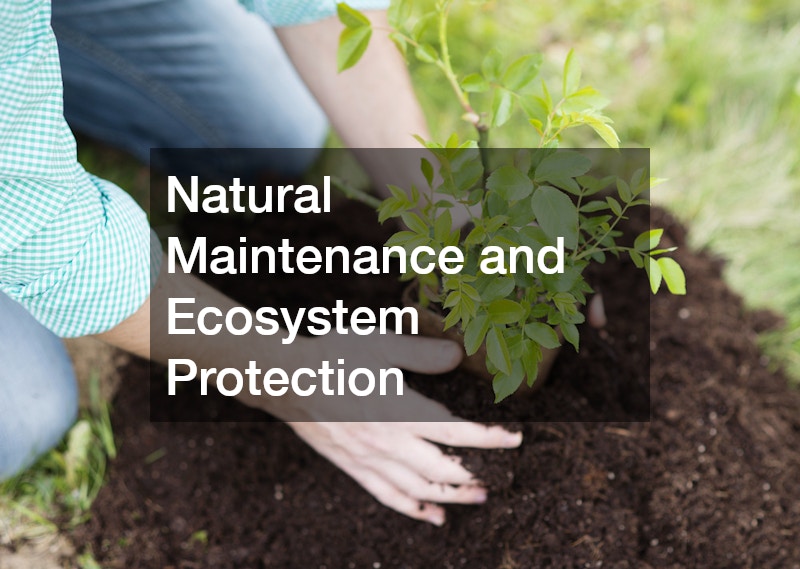
The final step in a low-maintenance yard is establishing a maintenance routine that works with nature instead of against it. By mimicking natural forest floors and meadows, you can eliminate the need for harsh synthetic sprays and constant weeding. This approach requires a shift in mindset: seeing a few fallen leaves or a stray dandelion not as a failure, but as a sign of a functioning biological system.
A professional mulching service can provide the volume of organic material needed to suppress weeds and lock in soil moisture. Using wood chips or leaf mold provides a slow-release nutrient source for your plants, eventually breaking down into rich compost that feeds the earth. Applying a thick layer of mulch twice a year is often the single most effective task a homeowner can do to reduce their weekly weeding chores.
Integrated management of the local insect population is the hallmark of an eco-friendly yard. Rather than blanket-spraying for bugs, targeted pest control focuses on disrupting the lifecycle of invasive species while leaving beneficial pollinators like bees and butterflies unharmed. This might include using pheromone traps for specific beetles or simply planting companion species like marigolds and alliums that naturally repel unwanted visitors.
Designing for Biodiversity and Wildlife
A truly sustainable yard does more than just look good; it provides a sanctuary for local fauna. When you choose plants, try to select those that offer food sources throughout the different seasons. For example, berry-producing shrubs provide winter sustenance for birds, while late-blooming asters give bees a final energy boost before the first frost.
Creating “soft landings” beneath your trees is another excellent way to boost biodiversity. Instead of mowing right up to the trunk, create a wide bed of native groundcovers and leaf litter. This provides a safe place for beneficial insects to overwinter and pupate. Many moth and butterfly species spend their larval stages in the canopy but need the loose soil and leaf mulch below to complete their life cycles safely.
- Bird Baths: Provide a clean water source that is refreshed regularly.
- Pollinator Hotels: Install small wooden structures to house solitary bees.
- Brush Piles: Keep a small, hidden pile of sticks in the back corner for amphibians and small mammals.
- Avoid Neonicotinoids: Ensure any plants you buy from nurseries have not been treated with these harmful systemic pesticides.
Water Conservation and Management
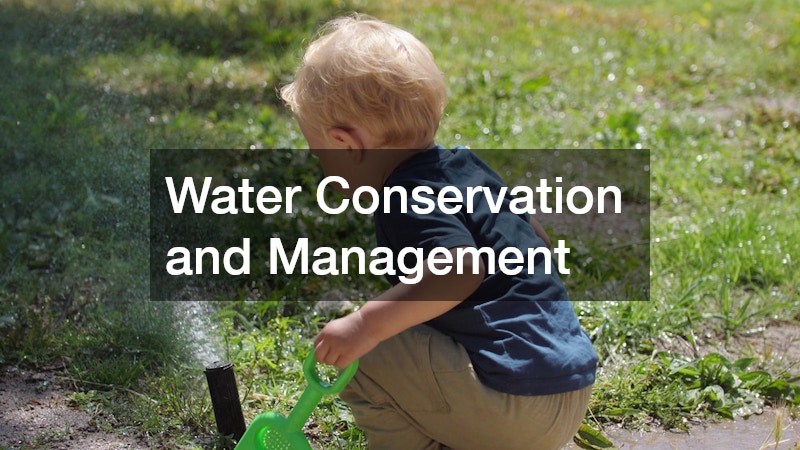
In many regions, water is the most precious resource a homeowner manages. A low-maintenance yard should be designed to catch, hold, and sink as much rainwater as possible. This reduces the burden on municipal storm drains and ensures your plants have deep reserves to draw from during the hot, dry months of July and August.
Rain gardens are a beautiful solution for low spots in the yard where water tends to collect. By planting water-loving native species like swamp milkweed or blue flag iris in these depressions, you create a natural filtration system. The deep roots of these plants help the water penetrate the soil more quickly, while the vegetation filters out pollutants before the water reaches the groundwater table.
If you have an existing irrigation system, consider upgrading it to a smart controller that adjusts based on local weather forecasts. Drip irrigation is far more efficient than overhead sprinklers because it delivers water directly to the root zone, minimizing loss through evaporation and wind drift. Grouping plants with similar water needs together, a practice known as hydrozoning, ensures that you aren’t overwatering your succulents just to keep your hydrangeas happy.
Cultural Shifts and Community Impact
Adopting a sustainable yard often starts a conversation with your neighbors. When they see your vibrant wildflowers and hear the songbirds returning to your trees, they may be inspired to make changes of their own. This creates a “corridor” effect where multiple yards linked together provide a much larger and more effective habitat than a single isolated plot ever could.
You can also engage with local community groups or garden clubs to trade native seeds and divisions of successful plants. This not only saves money but also ensures that the plants you are putting in the ground are already adapted to your specific local soil conditions. Sharing knowledge about what works and what doesn’t helps the entire community move toward a more resilient and ecologically sound future.
Many cities and counties now offer rebates or tax incentives for homeowners who remove turf or install rain barrels. Check with your local utility company to see if there are programs available that can offset the costs of your sustainable transition. These programs are designed to reduce the overall strain on city infrastructure, making your personal yard project a win for the entire public.
Seasonal Rhythms of a Sustainable Yard
The way you interact with your yard will change as the seasons turn. In the fall, instead of bagging up every leaf and sending it to a landfill, consider “leaving the leaves” to provide natural mulch and habitat. In the winter, the dried seed heads of coneflowers and black-eyed Susans provide visual interest and a vital food source for wintering birds.
Spring is a time for gentle intervention. Wait until temperatures are consistently above fifty degrees before doing your big spring cleanup; this allows hibernating pollinators to wake up and move out of their winter homes in the hollow stems of last year’s plants. This patience is rewarded with a healthier, more vibrant ecosystem that requires fewer pesticides later in the summer.
Summer maintenance should be focused on enjoyment rather than labor. With a well-designed, sustainable yard, your main tasks will be occasional deadheading of flowers and enjoying the fruits of your labor. Because you have selected plants that are adapted to your heat and soil, you can spend your weekends relaxing on your deck rather than tethered to a lawnmower or a garden hose.
By thoughtfully integrating these elements, you transform your property into a self-sustaining haven. A low-maintenance, eco-friendly yard doesn’t just save you time and money; it serves as a vital patch of habitat that supports the health of the planet right outside your back door. Embrace the natural beauty of a landscape that lives in harmony with its surroundings.