Solar Panel Installation: Breaking Down True ROI Numbers
Thinking about solar panels usually starts with one simple question: will they actually pay off? The answer is more nuanced than most ads and sales pitches suggest. Between upfront costs, incentives expiring, electricity rate changes, and the lifespan of the panels themselves, the real math takes some patience to unpack.
Plenty of homeowners jump in excited about clean energy only to feel confused by the return on investment numbers later. Others hold off for years because they assume the payoff isn’t worth it, when in reality the savings might be bigger than they think. Both groups suffer from the same core issue: a lack of clear, honest information about what solar really delivers over time.
This article breaks down the most common problems people run into when evaluating solar, and tackles each one with practical answers. By the end, you should have a realistic picture of what to expect financially, not a sales pitch disguised as advice.
Why Is the Upfront Cost So Confusing?
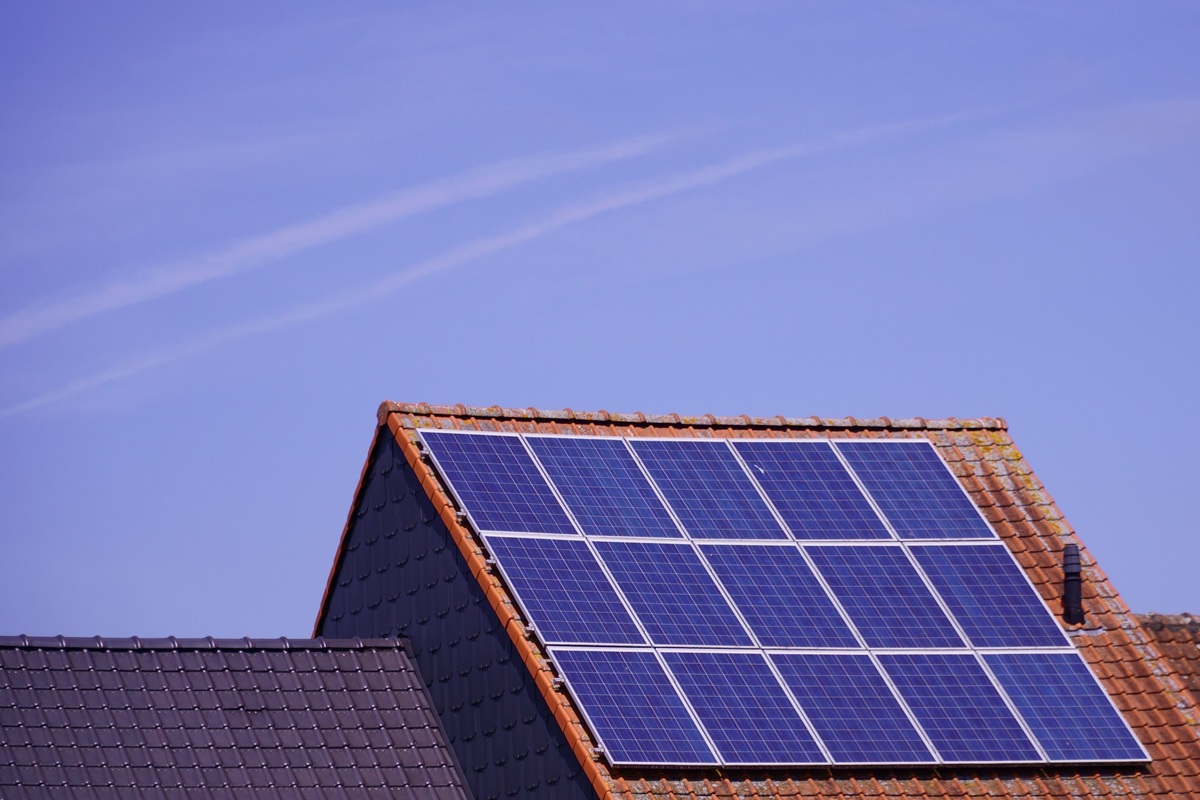
The first problem most homeowners hit is sticker shock. You see a $15,000 quote from one installer and a $25,000 quote from another for roughly the same system, and neither proposal does a great job explaining where the difference actually comes from. That spread makes it hard to know what’s fair, especially when each installer uses different terminology, different brand tiers, and different assumptions about your roof. The truth is that price depends on panel brand, inverter type, roof complexity, local labor rates, permitting fees, utility interconnection requirements, and whether battery storage is included. Two homes on the same street can get wildly different quotes simply because one has a steeper pitch, a shaded chimney, or an older main service panel that needs an upgrade before solar can be connected.
According to SolarReviews, the typical price for a 6 kW residential system runs about $3.03 per watt as of 2025, which lands around $18,000 before any incentives. That number is a useful anchor when you’re comparing bids. If a quote is dramatically above or below that benchmark, ask why. A quote that comes in significantly lower might be using off-brand panels with weaker degradation warranties, or it might exclude permitting and inspection fees that will surface later as change orders. A quote that comes in much higher might include premium equipment like high-efficiency panels, a hybrid inverter ready for future battery expansion, or a critter guard around the array — all of which can be worth the money if the installer explains them clearly. The key is making installers justify their number line by line rather than defending a lump sum.
It also helps to remember that solar is not a standalone purchase. It’s part of a broader strategy of Green Upgrades that work best when your home is already efficient, which is exactly why What Is a Home Energy Audit Before You Upgrade Your Home is such a critical first step. If your attic is under-insulated or your ductwork leaks, you’ll end up buying a bigger, more expensive system than you actually need to cover inflated usage.
To avoid overpaying, focus on these details when reviewing proposals:
- Equipment warranties, including panel degradation guarantees and the difference between product and performance coverage
- Inverter type (string, microinverter, or hybrid for batteries) and whether it supports future expansion
- Labor cost breakdowns, not just a lump sum, so you can see electrical work separate from racking and panel mounting
- Roof penetration and racking method, including flashing type and manufacturer-backed leak warranties
- Monitoring software included at no extra fee, with panel-level visibility rather than system-wide averages only
- Post-installation service and maintenance terms, including response windows for outages and who handles warranty claims
- Permit, interconnection, and inspection fees, which should be itemized rather than buried in overhead
- Any required electrical panel upgrades or main service work, which can add $2,000 to $4,000 if not disclosed upfront
How Long Until Solar Panels Actually Pay for Themselves?
Payback period is where the ROI conversation gets real. This is the number of years it takes for your electricity savings to equal the net cost of the installation. After that point, every kilowatt-hour your panels produce is basically money in your pocket.
According to the U.S. Department of Energy via ConsumerAffairs, it generally takes roughly 13 years to cross the break-even line without the federal solar tax credit, which expired in 2025. That timeline surprises a lot of people who expected a faster return. But it’s important to remember that most quality panels are warrantied for 25 years, so a 13-year payback still leaves more than a decade of nearly free power.
What Shortens or Extends the Payback Window?
Several factors move that number up or down. Homes in states with high electricity rates and strong sun exposure typically see faster payback, sometimes under 10 years. Homes in cloudier regions with cheap utility power may wait longer. Your roof angle, shading from trees, and even which direction your house faces all affect production. If you finance the system with a high-interest loan instead of paying cash, that also stretches the timeline since interest eats into your net savings.
What Does Long-Term ROI Really Look Like?
Here’s where the picture brightens for most homeowners. Payback is only the midpoint of the story, not the finish line. The real financial win comes from what happens after the system has paid for itself and continues producing energy year after year, often for another decade or two with minimal maintenance beyond occasional panel cleaning and an inverter replacement somewhere around year 12 to 15.
According to EnergySage via Now.Solar, the average American homeowner pockets around $57,000 over a 25-year span after going solar. That figure factors in rising utility rates, which tend to climb every year regardless of what the national average does. Historically, U.S. electricity prices have risen somewhere between 2% and 4% annually, and in high-cost states like California, Hawaii, and parts of the Northeast, that number can spike even higher during years of grid stress or fuel volatility. When you lock in your own power production at a fixed cost, you insulate yourself from that inflation curve and effectively pre-pay for decades of electricity at today’s rates.
It’s also worth considering how solar interacts with other green upgrades you may have already made or are planning. If you’ve installed a heat pump, added insulation, or upgraded to energy-efficient appliances, your panels have to work less hard to cover your total load, which stretches ROI even further. This is exactly why so many experts recommend starting with the question, What Is a Home Energy Audit Before You Upgrade Your Home? Understanding your baseline consumption first lets you size a system that matches real demand rather than guesswork, and that accuracy directly shapes your long-term return.
Long-term ROI is also boosted by things people forget to count:
- Increased home resale value for solar-equipped properties, often adding 4% or more to sale price in competitive markets
- Protection against utility rate hikes, which function like a built-in hedge against energy inflation
- Potential net metering credits in eligible states, letting you bank excess summer production for winter use
- Reduced reliance on the grid during peak-cost hours, when time-of-use rates can be two or three times higher
- Lower carbon footprint, which some buyers now actively seek and lenders increasingly reward through green mortgage products
- Eligibility for additional state, local, or utility-level rebates that stack on top of federal incentives
Should You Audit Your Home Before Going Solar?

One of the most common mistakes is sizing a solar system based on your current energy waste instead of your real energy needs. If your home leaks heat in the winter and cool air in the summer, you’re paying to power inefficiency. Installing a bigger solar system to cover that waste is far more expensive than fixing the waste itself.
This is exactly why many experts suggest asking yourself: what is a home energy audit before you upgrade your home? An audit identifies where your house is losing energy, so you can reduce consumption first and then install a right-sized solar array. The results often change the entire ROI calculation in your favor.
How Much Can an Audit Save?
The impact is bigger than people expect. According to the U.S. Department of Energy via Lennox, homeowners who address leaks, insulation gaps, and outdated equipment often cut their energy costs by as much as 30%. That means a smaller solar system can meet your needs, which lowers the installation bill and shortens your payback period. If you want to understand the full checklist of what auditors look for, this overview of preparing your home for energy efficiency covers the key steps worth taking first.
How Do Incentives and Financing Change the Math?
With the federal solar tax credit gone as of 2025, incentives now come mostly from state programs, local utilities, and manufacturer rebates. This creates a patchwork that varies wildly depending on where you live. Some states offer property tax exemptions, sales tax waivers, or performance-based incentives that pay you per kilowatt-hour produced.
Financing choices matter just as much. Paying cash gives the best lifetime ROI because you avoid interest entirely. A solar loan spreads the cost but adds interest, which can delay your break-even point by several years. Leases and power purchase agreements let you avoid upfront cost altogether, but they also hand most of the long-term savings to the leasing company.
Smart Moves to Maximize Returns on Green Home Improvements
If you want to squeeze the most value out of your investment, think strategically. Compare at least three quotes. Ask every installer to itemize their pricing. Check whether your utility offers net metering or buy-back programs. And always stack efficiency upgrades with solar rather than treating them as separate projects. Green Upgrades like better insulation, heat pump water heaters, and LED lighting all work together to reduce the load your panels need to cover.
Watch out for these financing traps:
- Dealer fees hidden inside loan agreements
- Lease escalator clauses that raise payments annually
- Prepayment penalties on solar loans
- Overestimated production numbers used to justify larger systems
- Vague service guarantees after the installer disappears
What Problems Do Owners Face After Installation?
The ROI story doesn’t end at the signed contract. Post-installation issues can quietly chip away at your returns if you don’t stay engaged. Monitoring apps occasionally miss production dips caused by shading, panel soiling, or a failing microinverter. Catching those problems early is the difference between full savings and silent losses.
Weather events, roof repairs, and even tree growth over time can reduce output. Scheduling periodic inspections, cleaning panels when needed, and reviewing your monthly production data takes very little time but protects the investment you made. Keep documentation of your system’s specs and warranty terms somewhere easy to find.
Finally, if you ever sell your home, having clear records of installation costs, maintenance, and energy savings makes the panels a selling point rather than a question mark. Buyers increasingly ask about solar performance, and having numbers ready builds confidence in the value of what you installed.
The Bottom Line
Solar panel ROI isn’t a single number. It’s a layered equation shaped by upfront price, payback period, long-term savings, incentives, and how efficiently your home uses energy in the first place. Understanding each layer helps you make a decision based on facts instead of marketing promises.
The homeowners who see the strongest returns are the ones who do their homework before signing. They compare quotes carefully. They address energy waste before sizing a system. They pick financing that fits their long-term goals, not just their monthly budget. And they stay engaged after installation to protect their investment.
If you treat solar as part of a bigger strategy for a more efficient, lower-cost home, the numbers tend to work out well. The panels on your roof are only one piece of the puzzle, but when they’re paired with smart planning, they can deliver real financial and environmental rewards for decades.