Everything You Should Understand About Your Home’s Well System
Water is a fundamental necessity for all households, and for many homeowners, well systems serve as critical water sources. Well systems provide autonomy from municipal water supplies, giving access to clean, natural groundwater. These systems are vital, not only for homes situated in rural areas but also for those seeking an alternative, self-sustaining water supply. Understanding how your home’s well system works can ensure a consistent, reliable water source for daily activities. As technology advances, modern well systems have become more efficient, providing enhanced water safety and environmental benefits.
Home well systems tap into the groundwater beneath your property, offering a sustainable water supply. The process for this entails water well drilling. This allows you to draw water that has naturally filtered through the earth, which can often result in superior taste and quality. Additionally, having a personal well affords greater control over water treatment, allowing you to tailor the quality to suit your family’s needs. Beyond the practical benefits, well systems can potentially increase property values, offering an appealing feature for future home buyers. Moreover, understanding your well system can enable you to implement cost-effective measures for its upkeep.
While many people rely on public utilities for their water needs, well systems offer an appealing alternative. The independence of a private water supply means protection against fluctuating public service rates and varying water quality standards. Moreover, homeowners with well systems become more attuned to their environmental impact and water consumption habits. The responsibility of maintaining this natural resource fosters an appreciation for water conservation. Understanding these systems can serve as a stepping stone toward a more sustainable lifestyle.
How Does a Well Water System Work?
The basic operation of a well water system revolves around accessing and delivering groundwater to your home. Initially, a well is drilled into the ground to reach aquifers that contain water. Submersible pumps or jet pumps are then used to force the water to the surface and into the home’s plumbing system. The integration of pressure tanks ensures consistent water pressure and reduces the workload on the pump, prolonging its lifespan. These components work harmoniously to provide a steady and efficient flow of water throughout the home.
The water extracted from a well is often treated to enhance its safety and quality before use. Different treatment methods are utilized depending on the composition of the groundwater, which can vary widely from one location to another. Common treatments include filtration systems to remove sediments, softeners to mitigate water hardness, and disinfection systems to eliminate harmful bacteria or minerals. Technologies such as UV purification and reverse osmosis are also gaining popularity for home systems. It’s crucial to customize your home’s well system treatment based on water testing results to ensure potability.
An effective well water system balances mechanical proficiency with appropriate water treatment. Well construction and system integration are designed to minimize contamination risks while ensuring sustainability. Protection of the water source from surface contamination is pivotal, often achieved through proper well casing and sealing. Ultimately, understanding the nuances of how your well system functions forms the foundation for effective use and maintenance.
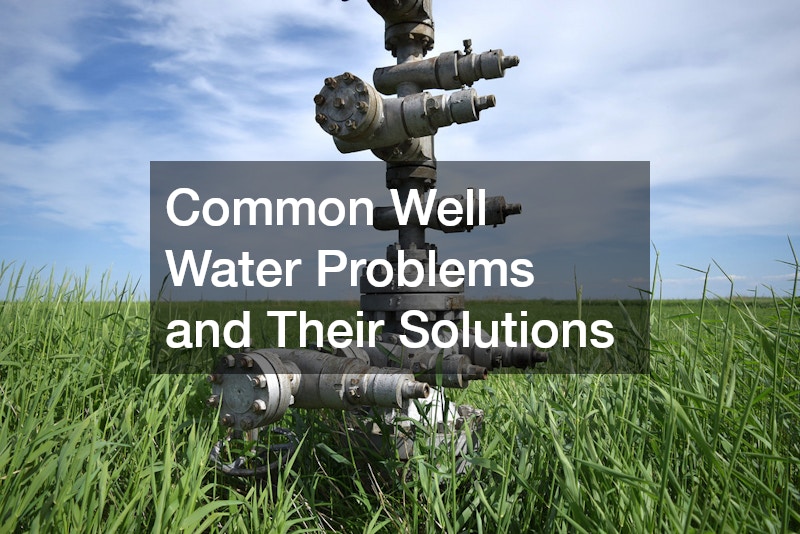
Common Well Water Problems and Their Solutions
Homeowners may face a variety of problems with their well systems, ranging from mechanical issues to water quality concerns. One common challenge is the presence of contaminants such as bacteria, nitrates, or heavy metals, which potentially pose health risks. Regular water testing is imperative to identify and address such problems promptly. Installing or upgrading water filtration and treatment equipment can effectively mitigate these issues. Knowledgeable consultation with water quality professionals can guide the selection of appropriate solutions tailored to specific contamination concerns.
Another prevalent problem is water scarcity, particularly in areas prone to drought. Conservation practices, such as using water-efficient appliances and adhering to sustainable usage habits, are vital in these scenarios. Groundwater may also be affected by environmental changes, necessitating adaptive measures in usage and system management. Installing a water level monitoring device on your well can provide real-time data on water availability, helping to optimize usage without over-extracting resources.
Maintenance and Best Practices for Well Systems
Proper maintenance is key to the longevity and efficiency of home well systems. Regular inspections of well components, such as the pump, pressure tank, and seals, can identify early signs of wear or potential issues. Annual professional assessments provide comprehensive evaluations, ensuring all components function optimally. Beyond mechanical upkeep, routinely testing water quality is an essential preventive measure. It’s advisable to maintain a file with all service records, test data, and parts replacement history for efficient tracking and management.
In addition to mechanical maintenance, homeowners should implement best practices for sustainable water usage. Simple changes like fixing leaky faucets, installing low-flow fixtures, and optimizing irrigation systems contribute significantly to water conservation. Developing habits of mindful usage can lessen the impact on both the well system and the aquifer it taps into. Education on local water issues and conservation efforts further fosters responsible well ownership. Sustainability practices not only conserve resources but often lead to financial savings in the form of reduced utility bills.
Water is a fundamental necessity for all households, and for many homeowners, well systems serve as critical water sources. Well systems provide autonomy from municipal water supplies, giving access to clean, natural groundwater. These systems are vital, not only for homes situated in rural areas but also for those seeking an alternative, self-sustaining water supply. Understanding how your home’s well system works can ensure a consistent, reliable water source for daily activities. As technology advances, modern well systems have become more efficient, providing enhanced water safety and environmental benefits.
Home well systems tap into the groundwater beneath your property, offering a sustainable water supply. The process for this entails water well drilling. This allows you to draw water that has naturally filtered through the earth, which can often result in superior taste and quality. Additionally, having a personal well affords greater control over water treatment, allowing you to tailor the quality to suit your family’s needs. Beyond the practical benefits, well systems can potentially increase property values, offering an appealing feature for future home buyers. Moreover, understanding your well system can enable you to implement cost-effective measures for its upkeep.
While many people rely on public utilities for their water needs, well systems offer an appealing alternative. The independence of a private water supply means protection against fluctuating public service rates and varying water quality standards. Moreover, homeowners with well systems become more attuned to their environmental impact and water consumption habits. The responsibility of maintaining this natural resource fosters an appreciation for water conservation. Understanding these systems can serve as a stepping stone toward a more sustainable lifestyle.
How Does a Well Water System Work?
The basic operation of a well water system revolves around accessing and delivering groundwater to your home. Initially, a well is drilled into the ground to reach aquifers that contain water. Submersible pumps or jet pumps are then used to force the water to the surface and into the home’s plumbing system. The integration of pressure tanks ensures consistent water pressure and reduces the workload on the pump, prolonging its lifespan. These components work harmoniously to provide a steady and efficient flow of water throughout the home.
The water extracted from a well is often treated to enhance its safety and quality before use. Different treatment methods are utilized depending on the composition of the groundwater, which can vary widely from one location to another. Common treatments include filtration systems to remove sediments, softeners to mitigate water hardness, and disinfection systems to eliminate harmful bacteria or minerals. Technologies such as UV purification and reverse osmosis are also gaining popularity for home systems. It’s crucial to customize your home’s well system treatment based on water testing results to ensure potability.
An effective well water system balances mechanical proficiency with appropriate water treatment. Well construction and system integration are designed to minimize contamination risks while ensuring sustainability. Protection of the water source from surface contamination is pivotal, often achieved through proper well casing and sealing. Ultimately, understanding the nuances of how your well system functions forms the foundation for effective use and maintenance.
Common Well Water Problems and Their Solutions
Homeowners may face a variety of problems with their well systems, ranging from mechanical issues to water quality concerns. One common challenge is the presence of contaminants such as bacteria, nitrates, or heavy metals, which potentially pose health risks. Regular water testing is imperative to identify and address such problems promptly. Installing or upgrading water filtration and treatment equipment can effectively mitigate these issues. Knowledgeable consultation with water quality professionals can guide the selection of appropriate solutions tailored to specific contamination concerns.
Another prevalent problem is water scarcity, particularly in areas prone to drought. Conservation practices, such as using water-efficient appliances and adhering to sustainable usage habits, are vital in these scenarios. Groundwater may also be affected by environmental changes, necessitating adaptive measures in usage and system management. Installing a water level monitoring device on your well can provide real-time data on water availability, helping to optimize usage without over-extracting resources.
Maintenance and Best Practices for Well Systems
Proper maintenance is key to the longevity and efficiency of home well systems. Regular inspections of well components, such as the pump, pressure tank, and seals, can identify early signs of wear or potential issues. Annual professional assessments provide comprehensive evaluations, ensuring all components function optimally. Beyond mechanical upkeep, routinely testing water quality is an essential preventive measure. It’s advisable to maintain a file with all service records, test data, and parts replacement history for efficient tracking and management.
In addition to mechanical maintenance, homeowners should implement best practices for sustainable water usage. Simple changes like fixing leaky faucets, installing low-flow fixtures, and optimizing irrigation systems contribute significantly to water conservation. Developing habits of mindful usage can lessen the impact on both the well system and the aquifer it taps into. Education on local water issues and conservation efforts further fosters responsible well ownership. Sustainability practices not only conserve resources but often lead to financial savings in the form of reduced utility bills.