
Preventative Home Care Tips for Efficient Water and Energy Use
Every month, homeowners across the country open their utility bills and wonder where all their hard-earned money went. While it is easy to blame rising utility rates or seasonal heatwaves, the true culprit is often sitting quietly right inside the house. Minor inefficiencies—a subtle drip under the bathroom vanity, a thin layer of dust coating an air filter, or an aging thermostat running on an outdated schedule—silently drain resources hour after hour. Over the course of a year, these small oversights compound into hundreds or even thousands of dollars in wasted water and electricity.
Taking a proactive approach to home maintenance is the most effective way to regain control over your living costs. Preventative home care goes far beyond reacting to sudden plumbing emergencies or system breakdowns; it is a systematic strategy designed to optimize resource consumption, protect structural integrity, and maximize the lifespan of major household mechanicals. By identifying and correcting minor operational flaws before they turn into severe problems, you create a home environment that is inherently sustainable, comfortable, and cost-effective.
This comprehensive guide breaks down the essential preventative maintenance strategies every homeowner needs to know. Through actionable room-by-room checks, DIY optimization techniques, and a clear understanding of when to bring in certified specialists, you can transform your property into an energy-efficient, water-saving haven.
Audit and Protect Your Water Infrastructure

Stop Silent Drips and Optimize Fixture Flow
Water conservation begins with the infrastructure you use every day. The average American household loses thousands of gallons of water annually to simple, undetected leaks. Because many water lines run behind drywall, underneath flooring, or inside hidden cabinets, significant waste can occur for months before visible signs appear. Taking time to inspect your plumbing fixtures systematically ensures you are not paying for water that simply runs down the drain unused.
A thorough water audit starts with your water meter. Ensure all faucets, showers, washing machines, and irrigation systems are completely turned off, then observe the main meter dial. If the indicator line or low-flow triangle is moving, water is leaking somewhere on your property. From there, you can narrow down the source through a few practical steps:
- Perform dye testing on toilets: Place five to six drops of food coloring or a dye tablet into the toilet tank without flushing. Wait twenty minutes. If colored water appears in the bowl, the rubber flapper at the bottom of the tank is worn out and allowing a continuous stream to escape.
- Inspect under-sink connections: Feel along the supply lines, shutoff valves, and drain P-traps beneath every sink in your home. Even a faint film of moisture indicates a loose-fitting or deteriorating seal that will eventually fail under pressure.
- Install high-efficiency aerators: Standard faucets flow at roughly 2.2 gallons per minute. Replacing old aerators with modern, high-efficiency models can drop flow rates to 1.5 or 1.0 gallons per minute without sacrificing noticeable water pressure.
While basic fixture maintenance is straightforward, complex piping runs require specialized care. Scheduling periodic maintenance through a certified plumbing service ensures that your main water lines maintain safe operating pressure, typically between 40 and 60 PSI. Excessively high water pressure damages valve seals, shortens the lifespan of appliances, and increases the likelihood of pinhole leaks. For hard-to-find issues, utilizing a professional leak detection service provides non-invasive technology—such as acoustic sensors and thermal imaging—to pinpoint subterranean or slab leaks accurately without tearing up your flooring or yard.
Mitigate Major Plumbing Risks and Protect Water Lines

Maintain Water Pressure and Keep Drainage Systems Clear
Beyond everyday faucets and toilets, your home’s heavy-duty plumbing equipment demands routine maintenance to perform efficiently. Your water heater, for instance, is typically the second largest energy consumer in your home, trailing only your primary heating and cooling systems. When water heaters are neglected, mineral deposits accumulate along the bottom of the tank, forming an insulating barrier between the heating element and the water. This forces the unit to run significantly longer to achieve the desired temperature, driving up electricity or natural gas consumption.
To keep your hot water infrastructure operating smoothly and safely, integrate these key preventative steps into your annual home care routine:
- Flush sediment from the water heater: Attach a standard garden hose to the drain valve at the base of your water heater tank. Drain two to three gallons of water into a bucket once or twice a year to clear out mineral scale and sediment accumulation.
- Upgrade appliance supply lines: Replace old, flexible rubber hoses on washing machines and dishwashers with braided stainless steel lines. Rubber hoses degrade over time and are prone to sudden, catastrophic bursts under pressure.
- Test the temperature-pressure relief (TPR) valve: Lift the lever on your water heater’s TPR valve briefly to ensure it discharges water freely and seals tightly upon release. This critical safety device prevents dangerous pressure buildup within the tank.
- Insulate hot water pipes: Wrap exposed hot water pipes in foam insulation sleeves, particularly where they run through unconditioned basements, crawlspaces, or garages. This simple upgrade reduces standby heat loss, allowing hot water to arrive at fixtures faster while using less energy.
Establishing a working relationship with a reputable plumbing company helps ensure these structural components receive expert evaluation during routine checkups. Licensed technicians can assess anode rod depletion in water heaters, clear stubborn line buildups before they back up, and evaluate main shutoff valves for smooth operation. Investing in these modest preventative checks drastically lowers the risk of needing an expensive emergency plumbing service to deal with flooded basements, burst supply lines, or total appliance failures during off-hours.
Prepare Your Cooling System for Peak Efficiency
Maximize Airflow and Cooling Power Before Warm Weather Hits
Central air conditioning systems rely heavily on unrestricted airflow to transfer heat out of your living space. When dust, pollen, and pet dander accumulate on filters, coils, and blower fans, the system must work substantially harder and run longer cycles to cool your home. This added resistance increases energy consumption and accelerates mechanical wear on the compressor and fan motors.
Maintaining an efficient cooling system requires a mix of consistent monthly user care and seasonal technical servicing. To ensure your system delivers maximum cooling output with minimal power draw, focus on these critical areas:
- Replace air filters on a strict schedule: Inspect your furnace or air handler filter every thirty days. Replace standard 1-inch pleat filters every 30 to 90 days, or sooner if you have pets. A clogged filter forces the blower motor to pull harder, increasing electricity usage and potentially freezing the evaporator coil.
- Maintain outdoor condenser clearance: Inspect the exterior condensing unit regularly. Clear away leaves, lawn debris, weeds, and overhanging branches to maintain at least two feet of open space around the entire perimeter.
- Gently clean condenser fins: Dust and dirt on the outdoor aluminum fins inhibit heat transfer. Turn off the power at the disconnect box and use a gentle spray from a garden hose to wash away exterior dirt from the top down. Never use high-pressure washers, which bend the fragile cooling fins.
- Keep condensate drain lines clear: Pour a cup of distilled white vinegar down the indoor condensate drain line T-pipe every few months during the cooling season to prevent algae and mold from clogging the line and causing indoor water overflow.
While homeowners can handle filter changes and exterior debris removal, cooling systems involve high-voltage electricity and pressurized refrigerants that require specialized training. Scheduling annual professional AC service before the summer season begins allows a qualified technician to verify refrigerant charges, inspect electrical contactors, lubricate moving parts, and clean the indoor evaporator coil thoroughly. Catching small operational flaws early through routine maintenance prevents minor component wear from spiraling into costly local AC repairs when temperature levels soar, and service schedules are fully booked.
Optimize Heating Performance and Duct Integrity

Seal Ducts and Ensure Safe, Efficient Winter Heating
As winter approaches, the operational focus shifts from drawing heat out of the home to effectively generating and retaining it. Heating equipment requires careful calibration to burn fuel cleanly or convert electricity into warmth efficiently. Furthermore, even the most advanced furnace or heat pump cannot deliver low energy bills if the conditioned air escapes through leaks in your ductwork before reaching your living space.
Duct systems frequently suffer from loose joints, aging duct tape, or uninsulated runs through unconditioned attics and crawlspaces. Studies show that the typical home loses 20 to 30 percent of the air moving through its duct system to leaks. Addressing these structural inefficiencies restores full heating delivery and balances temperatures across every room in your home.
Implement these actionable strategies to optimize your home’s heating performance:
- Seal accessible ductwork properly: Inspect visible duct joints in your basement, attic, or utility rooms. Seal gaps using high-grade HVAC mastic sealant or foil tape. Standard cloth duct tape deteriorates quickly and should never be used for duct sealing.
- Uncover and balance floor and wall registers: Ensure furniture, rugs, and drapes do not block supply or return air vents. Closing vents in unused rooms increases static duct pressure, forcing the system to work harder and reducing overall efficiency.
- Upgrade to a programmable or smart thermostat: Program temperature setbacks for times when the household is asleep or away at work. Lowering your indoor target temperature by 7 to 10 degrees Fahrenheit for eight hours a day can save up to 10 percent annually on heating costs.
- Reverse ceiling fan rotation: Switch ceiling fan motors to run clockwise at low speeds during winter months. This creates a gentle updraft that forces warm air trapped near the ceiling down into the living zone without causing a cooling breeze.
Comprehensive care for modern heating and air equipment requires technical expertise to evaluate combustion safety, heat exchanger integrity, and electrical performance. Annual system checkups ensure burners operate cleanly and safety controls function correctly. If your furnace exhibits unusual noises, delayed ignition, or frequent short-cycling, contacting a technician for prompt local heating repair resolves mechanical issues before they compromise system efficiency or lead to total heating failure during sub-freezing weather.
Establish a Whole-Home Mechanical Inspection Schedule
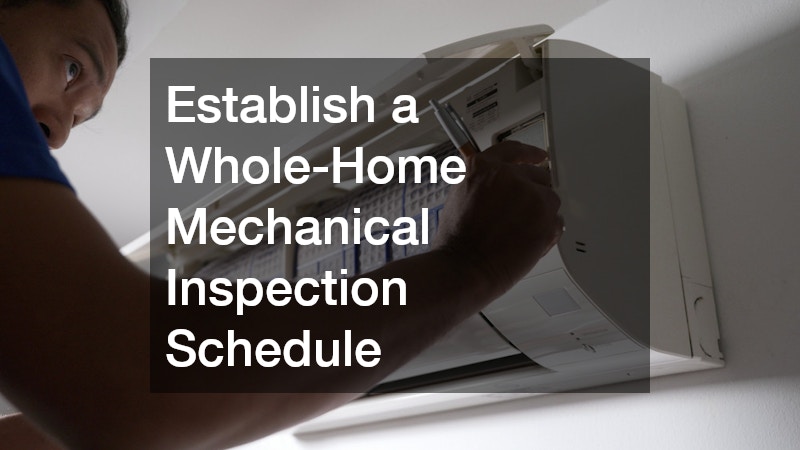
Schedule Bi-Annual Mechanical Audits to Protect Long-Term Efficiency
Maintaining an efficient, reliable home is an ongoing process rather than a one-time project. While individual tasks like changing filters or clearing drains fit easily into monthly routines, comprehensive care requires looking at your property’s mechanical systems as an integrated whole. The most effective way to protect your long-term investment and keep energy bills low is to establish a structured, bi-annual inspection schedule timed with seasonal changes.
A comprehensive fall and spring mechanical audit bridges the gap between basic DIY home care and professional equipment servicing. By aligning your maintenance efforts with seasonal shifts, you prepare your home for peak operational demands before extreme weather arrives.
During your spring review, focus on cleaning outdoor cooling coils, clearing surrounding brush, replacing air filters, checking under-sink plumbing fittings, and booking pre-summer system checkups. When autumn arrives, shift priorities toward sealing exposed ductwork, flushing sediment from the water heater, inspecting window seals, reversing ceiling fan directions, and booking pre-winter heating evaluations.
Relying on professional HVAC services for these seasonal tune-ups gives you access to specialized diagnostics that go far beyond basic home visual checks. Qualified technicians use calibrated instruments to measure airflow resistance, evaluate electrical current draws, check heat exchangers for dangerous hairline cracks, and fine-tune system controls for maximum fuel efficiency.
Partnering with an experienced HVAC contractor ensures your mechanical systems receive consistent, documented care year after year. Regular professional maintenance preserves active manufacturer warranties, extends system service life by years, and keeps operating efficiency close to original factory specifications. Most importantly, a well-maintained system operates cleanly and consistently, providing peace of mind and predictable energy costs regardless of outside weather conditions.
Conclusion
Preventative home care is one of the most effective tools homeowners have to manage living costs, conserve natural resources, and protect property values. By shifting from a reactive mindset to a proactive maintenance schedule, you eliminate the hidden water leaks and energy drains that quietly drive up monthly bills. Simple habits like inspecting sink plumbing, cleaning air conditioning coils, flushing water heaters, and sealing leaky air ducts deliver immediate, tangible returns in lower resource consumption and improved indoor comfort.
The journey toward an efficient home does not require an all-at-once overhaul. Success comes from consistency and taking practical, manageable steps over time. Begin today by choosing two or three high-impact tasks—such as testing your toilets for hidden leaks, replacing your furnace filters, or programming your thermostat for seasonal shifts. By combining reliable DIY routines with timely professional maintenance, you build a sustainable, resilient home that operates at peak efficiency for years to come.