Stop Heating the Neighborhood How Upgrading Roofs and Windows slashes Energy Costs
High monthly utility bills are a persistent headache for homeowners, but the true culprit is often invisible. Every day, conditioned air escapes quietly through degraded building materials, unsealed framing, and outdated glass. This phenomenon, known as thermal leakage, forces heating and cooling systems to run constantly just to maintain a baseline temperature. Instead of maintaining a comfortable indoor sanctuary, many homeowners are essentially paying to heat or cool the surrounding neighborhood.
The primary barriers protecting your living space from outdoor temperature extremes are your roof and your windows. Together, these structural elements form the vast majority of your home’s building envelope. When either of these components degrades or lacks modern insulation technology, indoor climate control becomes an uphill financial battle.
Fixing energy loss requires looking at your home as an interconnected thermal system. Patching an isolated draft or adding a blanket of insulation to one corner of the attic offers minimal relief if heat continues to radiate through single-pane glass or uninsulated roof decking. By taking a comprehensive approach to upgrading both your roof and your window systems, you can seal your home’s thermal shell, lower your monthly energy expenses, and create a consistently comfortable indoor environment year-round.
The Physics of Thermal Leakage: How Your Home Loses Energy

Understanding how energy moves through building materials is the first step toward stopping thermal loss. Heat naturally moves from warmer spaces to cooler spaces through three primary mechanisms: conduction, convection, and radiation.
- Conduction Through Structural Barriers: Conduction occurs when heat transfers directly through solid materials. On a freezing winter day, heat inside your home travels through thin drywall, uninsulated attic decking, or single-pane glass window assemblies, escaping directly into the outside air. In the summer, this process reverses as intense outdoor heat conducts inward through dark roof shingles.
- Convection and Air Infiltration: Convection involves the movement of heat through liquids and gases. In a residential setting, convective heat loss happens through air leaks around loose window sashes, deteriorated weatherstripping, and unsealed attic access hatches. As warm air rises and escapes through upper building gaps, it creates a negative pressure differential inside the home.
- Radiant Solar Gain: Radiation is the transfer of heat through electromagnetic waves. Sunlight striking your roof or pouring through untreated glass window panes transfers radiant energy directly into your living spaces, rapidly raising interior temperatures and forcing your air conditioning system into overdrive.
The interplay between these thermal mechanisms creates what building scientists call the “stack effect.” During cold months, warm air generated by your heating system naturally rises to the top of the house. If your attic lacks sufficient thermal resistance or proper sealing, this warm air leaks out through the roof structure.
This upward draft creates a vacuum effect at the lower levels of your home, actively pulling cold outside air inward through gaps in window frames and exterior doors. This continuous cycle drains your bank account while leaving your living spaces feeling drafty and uncomfortable.
Upgrading the Top Shield: Modern Roofing for Maximum Insulation
Your roof bears the brunt of environmental exposure, enduring relentless solar radiation in the summer and freezing temperatures in the winter. Upgrading your roofing assembly requires looking beyond surface aesthetics to optimize thermal resistance, ventilation, and material durability.
Attic Ventilation and Thermal Resistance
An efficient roof relies on balanced attic ventilation working in harmony with deep insulation layers. Without proper airflow, heat builds up in the attic during summer months, radiating downward into living areas below.
- Balanced Airflow Systems: Effective roof systems pair intake vents along the lower eaves or soffits with exhaust vents positioned at the roof ridge. This continuous natural airflow draws cool air in at the bottom and flushes hot, humid air out through the top, preventing heat accumulation beneath the roof deck.
- Maximizing R-Value: R-value measures a material’s resistance to conductive heat flow. Upgrading attic insulation levels to meet modern building codes creates a thick thermal blanket that prevents heat from transferring between your home’s conditioned living spaces and the ventilated attic space above.
Reflective and Cool Roofing Technologies
Standard dark asphalt shingles absorb up to ninety percent of incoming solar radiation, heating attic spaces to temperatures well above one hundred and forty degrees Fahrenheit on warm days. Cool roofing technologies use specialized pigments and reflective surfaces to bounce solar energy away before it turns into internal heat.
By reflecting infrared light, cool roofing materials significantly lower roof surface temperatures, reducing the thermal load transferred into your home’s structural framing and upper-floor ceiling insulation.
Long-Term Structural Efficiency Investments
Choosing high-performance roofing materials ensures your home maintains its energy-saving envelope for decades without performance degradation or material breakdown.
- High-Performance Metal Systems: Investing in a professionally installed metal roof installation delivers exceptional energy efficiency through inherent solar reflectance, integrated thermal breaks, and extreme weather durability compared to traditional materials.
- Proactive Roof Maintenance: Addressing minor structural vulnerabilities early prevents insulation degradation; scheduling a timely roof repair seals flashing gaps, fixes underlayment leaks, and ensures your attic insulation remains completely dry and thermally effective.
Window Technology: Turning Glass from Vulnerability to Thermal Barrier
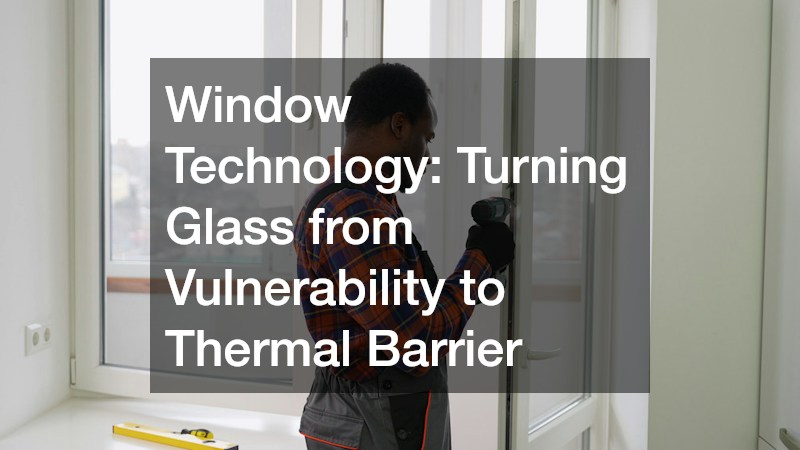
Glass is inherently a poor insulator, making windows the weakest point in an un-retrofitted building envelope. Modern window technology uses multi-pane configurations, specialized gas fills, and microscopic metallic coatings to transform clear openings into high-performance energy barriers.
Understanding Window Efficiency Ratings
When evaluating window performance, three standardized metrics published by the National Fenestration Rating Council (NFRC) determine thermal quality:
- U-Factor (Conductive Resistance): U-factor measures the rate of non-solar heat transfer through the entire window assembly. Lower U-factor numbers indicate better insulation, keeping indoor heat inside during cold weather.
- Solar Heat Gain Coefficient (SHGC): SHGC measures how much solar radiation passes through the glass. In warm climates, a lower SHGC blocks unwanted radiant heat, while cold climates benefit from higher SHGC values to harvest passive solar warmth in winter.
- Air Leakage (AL): Air leakage measures the volume of air passing through the window frame assemblies under wind pressure. Lower numbers indicate tighter structural seals that prevent drafts.
Advanced Glazing and Multi-Pane Systems
Single-pane glass offers virtually no thermal resistance. Modern multi-pane windows place sealed air chambers between two or three sheets of glass, creating a multi-layered insulating barrier.
Fulfilling those spaces with dense, non-toxic inert gases like argon or krypton reduces internal convective currents between the panes, slowing heat transfer significantly compared to standard air-filled units. Additionally, microscopic Low-Emissivity (Low-E) metallic coatings applied to the glass surfaces reflect long-wave infrared heat back toward its source—keeping furnace heat indoors during winter and solar heat outdoors during summer.
Selecting Qualified Installation Specialists
Even the most advanced, high-efficiency window unit will fail if installed improperly. Frame gaps, unsealed perimeters, and missing flashing allow air and water infiltration that destroys overall efficiency ratings.
- Precision Replacement Services: Partnering with experienced local window replacements specialists guarantees proper frame squaring, integrated flashing barriers, and expanding foam perimeter insulation that completely seals air leaks around the rough opening.
- Integrated New Construction Planning: When building a home or planning major structural additions, working with skilled local home builders ensures that window orientation, glass selection, and building envelope details are optimized for your local climate zone.
Retrofitted Energy Solutions for Windows and Daylight Management
Full window replacement is a major capital investment, but existing windows can be upgraded using retrofitted thermal control treatments and interior daylighting management tools.
Secondary Glazing and Solar Control Films
Aftermarket solar control films applied directly to interior glass surfaces offer a cost-effective way to cut unwanted radiant heat gain without replacing existing window assemblies.
- Infrared Reflection: Microscopic metal and ceramic layers embedded within modern window films reject incoming solar heat while remaining virtually invisible to the naked eye.
- UV and Glare Reduction: Applying professional window tinting to sun-drenched south and west-facing windows reduces summer cooling loads, eliminates interior glare, and protects interior flooring and furniture from fading due to ultraviolet exposure.
Interior Thermal Barriers and Shading
Controlling direct sunlight before it strikes interior surfaces helps regulate indoor temperatures without increasing electrical lighting loads.
- Cellular and Thermal Blinds: Cellular honeycomb shades feature built-in air pockets that trap a layer of air right at the glass surface, adding an extra layer of insulation to drafty window openings.
- Custom Adjustability: Installing precision-fitted custom window blinds gives homeowners total control over incoming direct sunlight, allowing you to block harsh afternoon heat in the summer while letting passive solar heat warm your home during cold winter days.
Maintenance for Maximum Solar Efficiency
Keep your window glass and frame assemblies clean and operating smoothly to ensure maximum daylighting performance and airtight seals.
- Removing Thermal Barriers: Dirt, pollen, and hard water minerals accumulate on glass surfaces over time, reducing light clarity and interfering with microscopic solar-reflective coatings.
- Routine Professional Care: Contracting reputable window cleaning companies ensures glass panes stay clean, frame tracks remain free of debris, and perimeter seals are inspected regularly for fogging or seal failure.
Navigating Contractors and Strategic Project Planning

Executing a major building envelope overhaul requires careful planning, thorough energy auditing, and vetting licensed trade specialists to ensure maximum return on investment.
Conducting a Professional Home Energy Audit
Before investing in new windows or roofing materials, hire a certified energy auditor to perform a comprehensive whole-house evaluation.
- Blower Door Testing: Blower door tests depressurize your home to measure total envelope air leakage and pinpoint hidden gaps along baseboards, window frames, and ceiling penetrations.
- Infrared Thermography: Thermal imaging cameras reveal visual heat signatures across walls, ceilings, and window assemblies, highlighting exact zones where insulation is missing or air is leaking.
Selecting Licensed Trade Specialists
Choosing qualified, specialized contractors ensures your building envelope upgrades comply with local building codes and manufacturer warranty requirements.
- Comprehensive Trade Management: Hiring fully licensed and insured home contractors ensures complex retrofits—combining siding, window framing, and structural insulation work—are managed seamlessly across every stage of construction.
- Specialized Roofing Experts: Vetting experienced roofers guarantees that attic insulation assessments, decking inspections, and proper ventilation designs are completed alongside new shingle or panel installations.
Evaluating Return on Investment (ROI) and Rebates
Upgrading your home’s roof and windows increases property value while delivering immediate, monthly operational savings on utility bills.
- Reduced HVAC Wear: Sealing your home’s thermal shell reduces overall heating and cooling demands, extending the service life of furnace and air conditioning equipment while lowering routine maintenance costs.
- Incentives and Tax Credits: Take advantage of federal energy efficiency tax credits, state weatherization grants, and local utility rebate programs that offer cash-back incentives for installing ENERGY STAR certified windows, cool roofs, and high-R-value insulation.
Step-by-Step Envelope Optimization Roadmap

Transforming an energy-wasting house into an airtight, comfortable sanctuary requires executing upgrades in a logical, step-by-step sequence.
- Step 1: Perform a Comprehensive Energy Audit
- Schedule a certified home energy assessment utilizing blower door depressurization and infrared imaging to identify your primary thermal loss areas.
- Step 2: Seal and Insulate the Attic Space
- Air-seal top-plate electrical penetrations, plumbing stacks, and ceiling fixtures before blowing in fresh insulation to reach recommended climate-zone R-values.
- Step 3: Repair or Upgrade the Roof Structure
- Inspect roof underlayment, verify proper soffit-to-ridge ventilation, and repair damaged shingles or replace aging materials with cool roofing options.
- Consult a licensed roofer to verify deck ventilation, structural integrity, and flashing seals before installing a complete new roofing system.
- Step 4: Upgrade Frame Seals and Window Units
- Replace drafty, single-pane windows with multi-pane Low-E units, or retrofit existing frames with solar control window films and insulated interior shades.
- Step 5: Monitor Monthly Energy Usage and Maintain Seals
- Track utility bill reductions, adjust thermostat schedules to reflect improved thermal retention, and inspect perimeter caulking and weatherstripping annually.
Stopping thermal leakage is the single most effective step you can take to control monthly utility costs and improve home comfort. By viewing your roof and windows as a unified thermal shield, you can target the primary pathways through which heat escapes in the winter and invades during the summer.
Investing in modern roofing technologies, multi-pane window glass, reflective films, and proper attic insulation delivers immediate dividends. You will enjoy a consistently comfortable indoor environment, reduced strain on your heating and cooling equipment, and long-term utility savings. Taking control of your home’s building envelope ensures that every dollar spent on heating and cooling stays right where it belongs: inside your home.
