HVAC 101 What Everyone Should Know About Climate Control
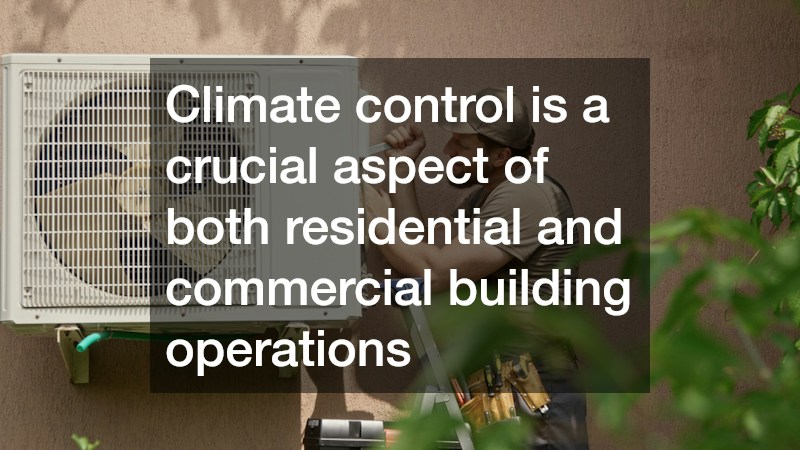
Climate control is a crucial aspect of both residential and commercial building operations, ensuring comfort and air quality. HVAC systems, which stand for heating, ventilation, and air conditioning, are integral to achieving effective climate control. Understanding the intricacies of these systems is essential for both homeowners and business operators.
This article will unravel the fundamentals of HVAC systems, delve into the components that drive them, and explore the benefits of efficient climate controls. By acquiring this knowledge, readers can make informed decisions that improve comfort and reduce environmental impact.
How Do HVAC Systems Work?
HVAC systems are responsible for regulating building temperatures and improving indoor air quality, using a combination of heating, cooling, and ventilation techniques. These systems work by transferring heat between the inside and outside of a building through mechanical means. The heating component typically involves furnaces or boilers, while air conditioners are used for cooling. Ventilation, often achieved with ductwork systems, helps in distributing air evenly throughout the structure. In an integrated system, the thermostat serves as a control panel, allowing users to set desired temperatures and maintain climate control seamlessly.
The efficiency and effectiveness of an HVAC system are determined by several factors, including the quality of its components and regular maintenance. When engineered properly, these systems provide not only comfort but also energy efficiency, reducing environmental impact. High-quality HVAC systems are equipped with advanced technologies that allow for precise climate control. However, homeowners should regularly check their systems to ensure they are operating at peak efficiency and not contributing to increased energy consumption. A malfunctioning HVAC system can lead to inconsistent climate control, affecting both comfort and utility costs.
In residential and commercial settings, climate control is not just about comfort but also about the health and well-being of occupants. Poorly functioning HVAC systems can lead to issues such as mold growth and poor air quality, directly impacting health. By using modern HVAC technologies, occupants can reduce these risks significantly. Advanced systems often come with features like humidity control and air purification, offering a comprehensive solution for indoor climate management. Understanding these dynamics is essential for anyone looking to optimize their living or working environment.
Basic Components of HVAC Systems
The basic components of an HVAC system include heating units, cooling elements, and ventilation mechanisms, each playing a vital role in ensuring effective climate control. Heating is generally accomplished through furnaces or boilers, which provide warmth during colder months by generating heat and distributing it via ductwork. Air conditioners are used to cool buildings by removing heat and moisture from indoor air, often circulating cool air through the same network of ducts. Additional components like heat pumps can operate in both heating and cooling modes to further enhance system efficiency. Understanding these components is key to maintaining a balanced indoor climate.
Fans and blowers play a significant role in moving air throughout the building, maintaining a consistent climate control experience. Ventilation systems ensure fresh air is circulated, reducing indoor pollutants and improving air quality. Ductwork acts as a distribution network, channeling air to various parts of the building, while air filters capture dust and allergens to create a healthier environment. The thermostat, a crucial component, allows for temperature setting and control, forming the heart of the HVAC system. Its proper use and placement typically result in improved system performance and energy savings.
When selecting an HVAC system, it’s crucial to choose components that align with your specific needs and the layout of your building. Proper sizing and installation are critical for optimal system performance and energy efficiency. An improperly sized system can contribute to energy loss and inconsistent climate control, posing both comfort and economic challenges. Experts recommend consulting with HVAC professionals to tailor system design to fit the unique requirements of any given space. This ensures reliable comfort while minimizing operational costs and environmental impact.
Benefits of Efficient Climate Control
Implementing efficient climate control solutions offers a myriad of advantages, most notably in energy conservation and cost reduction. An optimized HVAC system operates seamlessly, reducing unnecessary energy consumption and lowering utility costs. Systems that focus on energy efficiency are designed with advanced technology that allows precise climate control to meet changing temperature demands. Managing climate within buildings using energy-efficient techniques contributes significantly to sustainability efforts by reducing carbon footprints. Consequently, homeowners and businesses can achieve financial savings while also contributing to environmental conservation.
Besides environmental and cost benefits, efficient climate control enhances indoor comfort and air quality, crucial for occupant health and productivity. Modern HVAC systems come equipped with sensors and smart technologies that monitor indoor conditions constantly, adjusting operations as needed. These features help maintain optimal humidity levels, reducing mold and allergens while ensuring consistent air quality. Thus, people with respiratory issues or sensitivities find such environments more welcoming. Improved climate control translates to fewer health-related complaints and enhances overall quality of life.
Efficient HVAC systems can also bolster property values, as energy-efficient homes and businesses become increasingly desirable in the real estate market. Prospective buyers and tenants are more inclined to select properties with advanced climate control technologies, recognizing their long-term cost-saving potential. Real estate trends indicate a growing preference for sustainable buildings equipped with modern HVAC systems. Hence, investing in an updated system can lead to significant returns if a property is to be sold or leased. In an era where climate-conscious consumers drive market demands, efficient climate control becomes an asset.
Energy Efficiency and Cost Savings
The nexus between energy efficiency and cost savings forms a pivotal consideration in adopting efficient climate control solutions. Energy-efficient HVAC systems reduce operating costs by utilizing technology that optimizes performance and minimizes waste. Advanced components and dynamic controls contribute to significant energy savings, especially when contrasted against outdated systems. Regular maintenance and energy audits further reduce consumption, identifying potential inefficiencies requiring correction. By doing this, property owners can witness financial benefits, with reduced utility bills providing an attractive incentive to invest in better climate control.
Government incentives and rebates further encourage energy-efficient practices, often allowing tax credits for upgraded HVAC systems. Many regions offer subsidies to alleviate the upfront costs associated with purchasing energy-efficient equipment. Participating in such programs can expedite the return on investment for property owners looking to improve their climate control systems. Increased market competition in the HVAC industry has led to more cost-effective solutions available to consumers. Consequently, advancements in HVAC technologies continue accelerating energy savings, thereby decreasing the long-term financial burden on property owners.
The role of consumer habits in realizing maximum savings cannot be overlooked, as user behavior contributes substantially to achieving energy efficiency. Common practices such as setting thermostats to reasonable temperatures and insulating homes adequately compound system efficiency. Combining energy-efficient technologies and savvy consumer behavior maximizes the benefits of integrated climate control solutions. Access to real-time energy consumption data through smart systems empowers property owners to make informed decisions and achieve desired savings. Ultimately, mindful usage and continuous system optimization enhance the dual benefits of energy preservation and cost reduction.
Understanding the components of HVAC systems and the principles of climate control is essential for residents and business owners aiming to achieve optimal environmental comfort and efficiency. We’ve explored the mechanisms of HVAC systems, the importance of energy efficiency, and prudent maintenance practices. These insights collectively highlight the multifaceted relationship between climate control solutions and economic as well as environmental well-being. Readers are encouraged to apply this knowledge to assess, maintain, and upgrade their systems for improved performance and longevity. As climate-conscious consumerism continues to shape market preferences, proactive embracing of efficient HVAC technologies becomes increasingly indispensable.