What Is a Home Energy Audit Before You Upgrade Your Home?
Key Takeaways
- A professional assessment pinpoints exactly where your house is wasting energy, so you spend money on fixes that actually matter instead of guessing
- Expect to pay roughly $200 to $500 for a thorough inspection, with most households recovering that cost through utility savings in under a year
- Blower door tests, thermal imaging, and combustion safety checks reveal hidden problems that a visual walkthrough alone will always miss
- Air sealing and insulation usually deliver the biggest bang for your buck, often before you touch windows, HVAC, or solar panels
- DIY checks are useful for spotting obvious drafts, but they can’t match the diagnostic equipment and training a certified auditor brings
- Rebates, tax credits, and utility incentives can slash the out-of-pocket cost of both the audit and the improvements it recommends
- Prioritizing fixes in the right order prevents expensive mistakes like oversizing a new furnace for a leaky, poorly insulated house
Most people don’t plan their home improvements around energy. They replace a furnace when it dies, swap windows when they look dated, or add insulation after a cold snap convinces them it’s time. The result is a patchwork of expensive upgrades that rarely talk to each other, and utility bills that stubbornly refuse to drop.
The frustrating part is that homeowners often do the “right” thing and still feel ripped off. You spend $12,000 on new windows and your heating bill barely moves. You install a high-efficiency furnace and the upstairs bedrooms are still freezing. You seal a few obvious gaps and the house still feels drafty every January. The problem usually isn’t the products you bought. It’s that nobody tested your house first to find out what was actually broken.
That’s where a diagnostic approach changes everything. Instead of reacting to symptoms, you treat your home like a system and figure out where the leaks, heat loss, and wasted electricity are coming from before you write a single check. This article walks through the most common problems homeowners run into and solves them one by one.
So What Is a Home Energy Audit, Really?
Let’s clear up the biggest point of confusion first. So what is a home energy audit in plain terms? It’s a professional inspection of your house that measures how efficiently it uses energy, identifies where that energy is being wasted, and gives you a prioritized list of fixes ranked by cost and impact.
A certified auditor shows up with specialized tools: a blower door that depressurizes the house to measure air leakage, an infrared camera that reveals missing insulation inside walls, a combustion analyzer that tests your furnace and water heater for safety issues, and sometimes a duct blaster for forced-air systems. They’ll also pull your utility bills, interview you about comfort problems, and inspect appliances, lighting, and ventilation.
The deliverable is a written report. A good one doesn’t just say “your attic is underinsulated.” It tells you how much insulation you have now, how much you should have, what it will cost to upgrade, and how many dollars per year you’ll save. That’s the information you need to make smart decisions instead of expensive guesses.
The difference between a checklist and a real audit
Some companies advertise free “audits” that are really sales calls for a specific product. Someone walks through your house, nods a lot, and then tries to sell you spray foam or new windows. That’s not an audit. A legitimate assessment is tool-based, brand-neutral, and produces data you can take to any contractor.
The Hidden Cost of Skipping the Diagnostic Step

Homeowners often balk at paying a few hundred dollars for something that doesn’t physically change their house. It feels like paying for advice when you’d rather pay for results. But skipping this step is one of the most expensive mistakes you can make.
According to the Department of Energy, comprehensive improvements identified through professional audits can cut annual energy costs by 20 to 35 percent, with homeowners typically recouping their investment within three to seven years. That’s a serious return, and it’s the kind of outcome you simply can’t achieve by guessing which upgrade to tackle first.
The cost picture is even friendlier up front. Department of Energy figures referenced in industry reporting show that a professional inspection runs between $200 and $500 and uncovers improvements averaging $685 a year in savings, meaning the audit itself typically pays for itself in less than eight months. That math is hard to argue with when the alternative is spending ten or twenty thousand dollars on upgrades that may or may not solve your actual problem.
Problem One: You Don’t Know Where Your House Is Leaking
Air leakage is the single biggest energy waster in most homes, and it’s almost always worse than homeowners think. The air you paid to heat or cool is literally escaping through gaps you can’t see, pulling in unconditioned outdoor air to replace it. The result is high bills, uncomfortable rooms, and often moisture problems inside walls.
A blower door test solves this problem in about twenty minutes. The auditor installs a powerful fan in an exterior doorway and depressurizes the whole house. Suddenly every leak becomes measurable, and with an infrared camera or a simple hand, you can feel exactly where outside air is pouring in. Common culprits include:
- Rim joists in the basement where the foundation meets the framing
- Attic hatches, recessed lights, and plumbing penetrations
- Gaps around electrical outlets on exterior walls
- Dryer vents, bathroom fans, and range hood ductwork
- The junction between the wall top plate and the attic
- Fireplace dampers and chimney chases
Once you know where the leaks are, sealing them is cheap. A few cans of foam, some caulk, weatherstripping, and gasket kits can dramatically tighten a house for a couple hundred dollars in materials. According to ENERGY STAR methodology referenced by Synergy Companies, homeowners who follow through on the air sealing and insulation improvements their audit recommends typically see about an 11 percent drop in total household energy bills. That’s a permanent reduction, year after year, from fixes most homeowners never would have found on their own.
Problem Two: Your HVAC System Is Working Harder Than It Should
If your furnace runs constantly, your AC can’t keep up on hot days, or certain rooms are always the wrong temperature, you probably assume you need a new system. Sometimes you do. More often, the equipment is fine and the real issue is the building around it.
An audit tests the whole system. The auditor checks duct leakage, verifies that registers are delivering the airflow they should, inspects filter condition and return air sizing, and measures combustion efficiency on gas appliances. They’ll also look at whether the equipment is correctly sized for the house, because oversized furnaces and air conditioners short-cycle, waste fuel, and die young.
Why sizing a new furnace before an audit is a trap
Here’s the trap. You call an HVAC contractor because your old furnace is on its last legs. They measure your existing unit, add a little for safety, and sell you a replacement of similar capacity. But if your house has been leaky and underinsulated for thirty years, that existing unit was oversized to compensate. If you air-seal and insulate first, then size the new furnace, you may need a unit that’s 30 to 40 percent smaller, cheaper to buy, and cheaper to run. That’s why the sequence of home energy upgrades matters so much, and why the diagnostic should come before the equipment purchase.
Problem Three: You’re Not Sure Which Upgrade to Do First
This is the question that paralyzes most homeowners. Windows? Insulation? Solar? A heat pump? Every contractor tells you their product is the most important, and the advice gets conflicting fast.
An audit cuts through the noise by ranking improvements based on your specific house, your climate, and your utility rates. The ranking usually surprises people. Big-ticket items like window replacement often rank lower than homeowners expect, because the payback is long. Cheap items like attic insulation, air sealing, and smart thermostats usually top the list because they cost little and save a lot. A typical priority order from an audit report might look like this:
- Air seal the attic plane and basement rim joists
- Upgrade attic insulation to current code levels
- Seal and insulate duct runs in unconditioned spaces
- Install a programmable or smart thermostat
- Address wall insulation where feasible
- Replace the oldest, least efficient appliances
- Consider envelope upgrades like roof and window upgrades once the cheaper measures are done
Following this kind of sequence means every dollar you spend is working on the biggest problem left on the list. That’s a fundamentally different experience than randomly picking projects and hoping they add up.
Problem Four: You’re Missing Out on Rebates and Credits
Another expensive mistake is paying full price when you don’t have to. Utilities, states, and the federal government all offer significant incentives for energy improvements, but many of them require a qualified audit as part of the paperwork.
The federal Energy Efficient Home Improvement Credit, for example, covers 30 percent of the cost of a home energy assessment up to $150, plus percentages of qualifying insulation, windows, doors, heat pumps, and electrical panel upgrades. State and utility programs often stack on top. In some areas, the audit itself is free orheavily subsidized if you commit to following through on specific recommendations afterward.
The catch is that most of these programs have paperwork requirements. The auditor has to be certified by a recognized body like BPI or RESNET. The report has to document pre-existing conditions. The work has to be verified after completion. If you skip the audit and just hire a contractor to swap your furnace, you may leave thousands of dollars on the table that you could have claimed with a little more planning.
How to find the incentives that apply to you
Start with the DSIRE database, which tracks every state and utility program in the country. Then call your gas and electric utilities directly and ask what rebates they offer for audits and weatherization. Many utilities will send a subcontractor out for a nominal fee or no charge at all, provided you’re a residential customer in good standing. Stack those offers with the federal tax credit and the math usually tilts in favor of doing the assessment sooner rather than later.
Problem Five: You Can’t Tell a Good Auditor From a Bad One
Not every person who calls themselves an energy auditor brings the same skills to the job. The industry has real certifications and it also has plenty of salespeople who’ve bought a thermal camera off the internet and started marketing themselves as experts. Knowing what to look for protects you from wasting money on a weak report.
Here’s what separates a serious professional from a pretender:
- Current BPI Building Analyst or RESNET HERS Rater certification, which you can verify online
- A blower door and infrared camera used on every job, not just when it’s convenient
- Combustion safety testing on all fuel-burning appliances in the house
- A written report delivered within a week, with numbers, not just adjectives
- No financial relationship with the contractors who will do the follow-up work
- References from recent clients in your area who are willing to talk about results
Ask for a sample report before you book. A quality assessment runs 15 to 30 pages and includes photographs, measurements, modeled savings, and a prioritized action list. If what you get back is a two-page summary with generic recommendations, you hired the wrong person.
Problem Six: DIY Shortcuts Keep Letting You Down
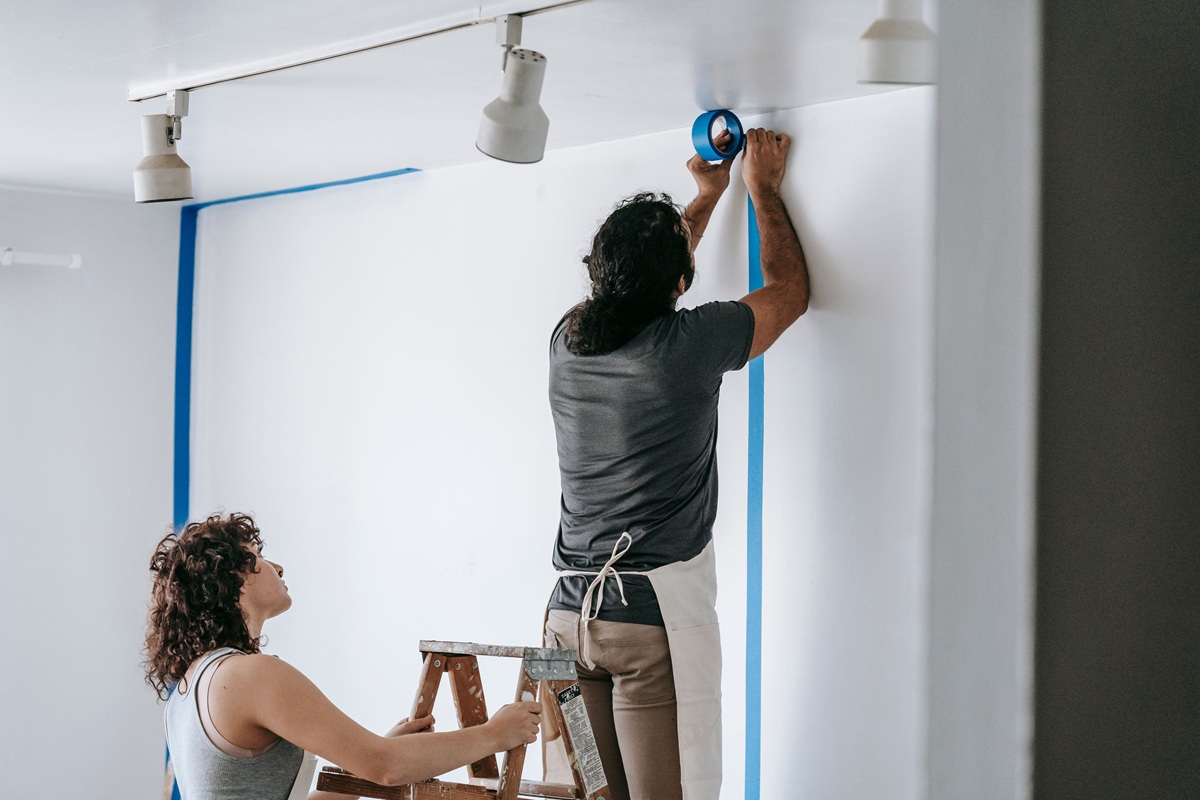
Plenty of homeowners try to handle the diagnostic work themselves. You can learn a lot walking around your own house with a stick of incense watching the smoke drift toward hidden gaps, or by pulling an outlet cover on a windy day to feel for cold air. These are useful habits and they catch real problems.
What they can’t do is quantify anything. You can feel a draft, but you can’t measure how many cubic feet per minute of conditioned air you’re losing through it. You can see frost patterns on a cold morning, but you can’t map the exact temperature gradient across a wall cavity the way an infrared camera can. And you absolutely cannot test whether your furnace is backdrafting carbon monoxide into the living space without the right analyzer.
What you can reasonably handle yourself
A smart DIY approach complements a professional audit rather than replacing it. Between assessments, you can:
- Check and replace HVAC filters monthly during heavy-use seasons
- Add weatherstripping to doors and caulk around window trim
- Insulate accessible pipes and water heater tanks
- Install foam gaskets behind outlet and switch covers on exterior walls
- Swap remaining incandescent bulbs for LEDs
- Program or reprogram your thermostat seasonally
These small tasks tighten up the easy stuff so your professional assessment can focus on the harder, hidden problems that actually require equipment to diagnose. Pairing those habits with smart home energy upgrades like learning thermostats, leak sensors, and connected lighting gives you ongoing visibility into how your house behaves between formal inspections.
Problem Seven: You’re Worried About Comfort, Not Just Bills
A lot of homeowners schedule an assessment because of bills, but they stay enthusiastic about the process because of comfort. Rooms that were always cold are finally warm. The office over the garage is usable in July. The bedroom nobody wanted to sleep in doesn’t feel like a cave anymore. These outcomes are worth real money in quality of life, and they rarely show up in a simple cost-benefit calculation.
Comfort problems are also often the easiest for an auditor to diagnose, because the house tells on itself. A cold floor usually points to missing rim joist insulation or uninsulated crawlspace walls. A hot upstairs in summer usually traces back to attic air leaks, duct losses, or inadequate return air pathways. A moldy corner of a closet frequently reveals a thermal bridge where a stud is conducting cold directly through the wall.
A Walkthrough of What the Assessment Day Looks Like
If you’ve never had an energy professional in your house, here’s what to expect so nothing surprises you. The visit typically takes two to four hours depending on the size of the home.
- The auditor starts with a conversation about comfort issues, bill history, and any planned renovations
- They inspect the attic, basement, crawlspace, and mechanical rooms with a flashlight and camera
- They set up the blower door in an exterior doorway and run the depressurization test
- While the house is depressurized, they walk through with an infrared camera and sometimes a smoke pencil to map leaks
- They test combustion appliances for efficiency and safety, including CO levels
- They measure insulation depths, inspect ducts for visible leaks, and photograph everything
- They sit down with you at the end to summarize initial findings before writing the formal report
Plan to be home for the whole visit. The best insights often come from the conversation at the kitchen table afterward, when you can describe which rooms bother you and the auditor can connect those complaints to what the instruments found.
How to Use the Report Once You Have It
Getting the report is only half the value. The other half is turning it into action, and that’s where a lot of homeowners stall. The document can feel overwhelming at first, especially if it lists fifteen or twenty potential improvements.
Start with the top three recommendations and get quotes for each. Don’t try to tackle everything at once. Treat the report like a multi-year roadmap rather than a to-do list for next weekend. Most households work through the full set of improvements over three to five years, timing bigger projects around tax refunds, rebate windows, and the natural death of aging equipment.
Keep the report accessible. When your water heater finally fails, pull the report out before you shop for a replacement so you remember whether the auditor recommended a heat pump model. When you’re finally ready to tackle the attic, use the specifications in the report to get apples-to-apples quotes from insulation contractors. The document keeps paying dividends for years if you actually use it.
When to schedule a follow-up assessment
Plan on a repeat inspection after you’ve completed the major envelope and mechanical improvements, usually two to three years after the first one. The follow-up verifies that the work actually delivered the promised savings, identifies anything that was missed or has changed, and often qualifies you for additional incentives tied to measured improvement. It also gives you a new baseline if you’re considering adding solar or switching to electric heating, because those decisions depend heavily on how much energy your tightened-up house actually uses now.
Closing Thoughts
An energy assessment isn’t glamorous. Nobody posts before-and-after photos of a sealed attic hatch the way they post kitchen remodels. But the money it saves is real, the comfort it delivers is immediate, and the mistakes it prevents are often the kind that cost five figures to undo. Spending a few hundred dollars to find out what your house actually needs is one of the highest-return decisions a homeowner can make.
The order of operations matters as much as the work itself. Diagnose first, then seal and insulate, then right-size the mechanical systems, then layer on efficient appliances and renewable generation if it still makes sense after the easy wins. Houses treated this way end up genuinely comfortable and genuinely cheap to operate, not just outfitted with expensive gear that masks underlying problems.
If you’ve been putting off improvements because you don’t know where to start, this is where to start. Find a certified auditor, book the inspection, and let the data tell you what to do next. Every dollar you spend afterward will work harder because of it, and the house you end up with will be the one you thought you were buying in the first place.