Programmable Thermostats: Real Savings or Overhyped Technology
Few household gadgets have been marketed with as much confidence as the programmable thermostat. For decades, utility companies, hardware stores, and home improvement blogs have told us that swapping out the old mercury dial for a scheduled digital unit would quietly shave dollars off the monthly power bill. The pitch is simple, almost too simple: set a schedule, let the device dial back the temperature when you’re asleep or away, and watch the savings roll in.
But is that actually what happens inside most homes? The evidence tells a more complicated story. While the underlying idea is sound, the gap between how these devices are designed to work and how people actually use them has turned into one of the biggest debates in residential energy efficiency.
Understanding where the hype ends and the real benefit begins requires looking at the hardware itself, the behavior of the people operating it, and the broader context of how heating and cooling eat up household energy. Only then can a homeowner make a clear-eyed decision about whether upgrading is worth the time, money, and setup effort.
How Programmable Thermostats Were Supposed to Work
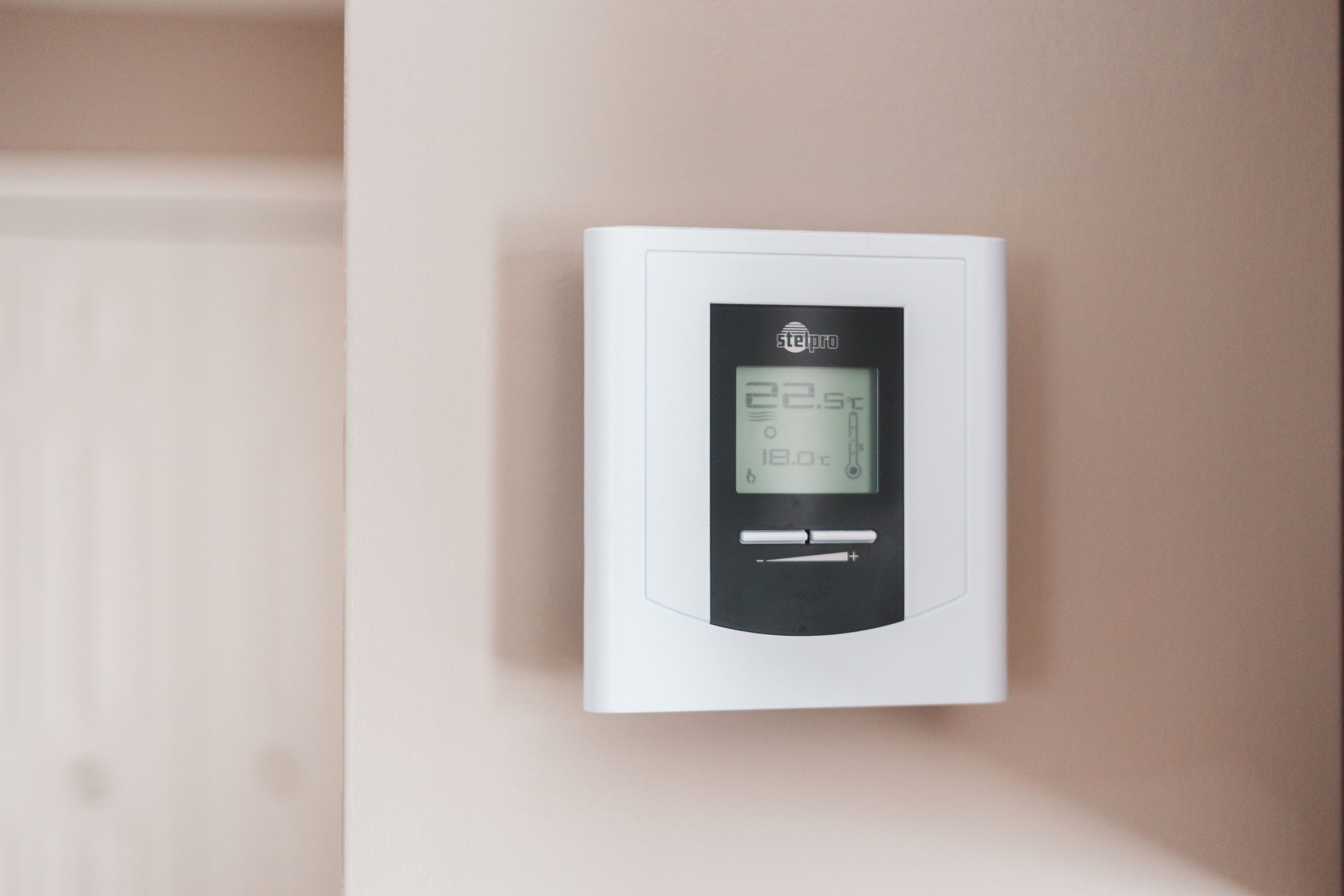
The original concept behind a scheduled thermostat was straightforward. Heating and cooling account for the largest chunk of residential energy use in most climates, so even small adjustments during unoccupied hours can compound into noticeable bill reductions over a year. By lowering the temperature a few degrees overnight in winter, or letting it drift warmer during a workday in summer, a household could, in theory, trim 10 percent or more off its annual HVAC costs.
Manufacturers built devices around this logic. Weekday and weekend schedules, vacation modes, and multi-period temperature setbacks all became standard features. The pitch was that you program it once, then forget about it, and the thermostat handles the discipline you’d never actually maintain manually.
The scale of the potential impact is real. According to research from Lawrence Berkeley National Laboratory and UC Davis, residential thermostats regulate roughly 9 percent of the nation’s total energy consumption. A single device category touching that much of the energy pie means even modest efficiency gains per household add up to significant national savings.
Where the Promise Breaks Down
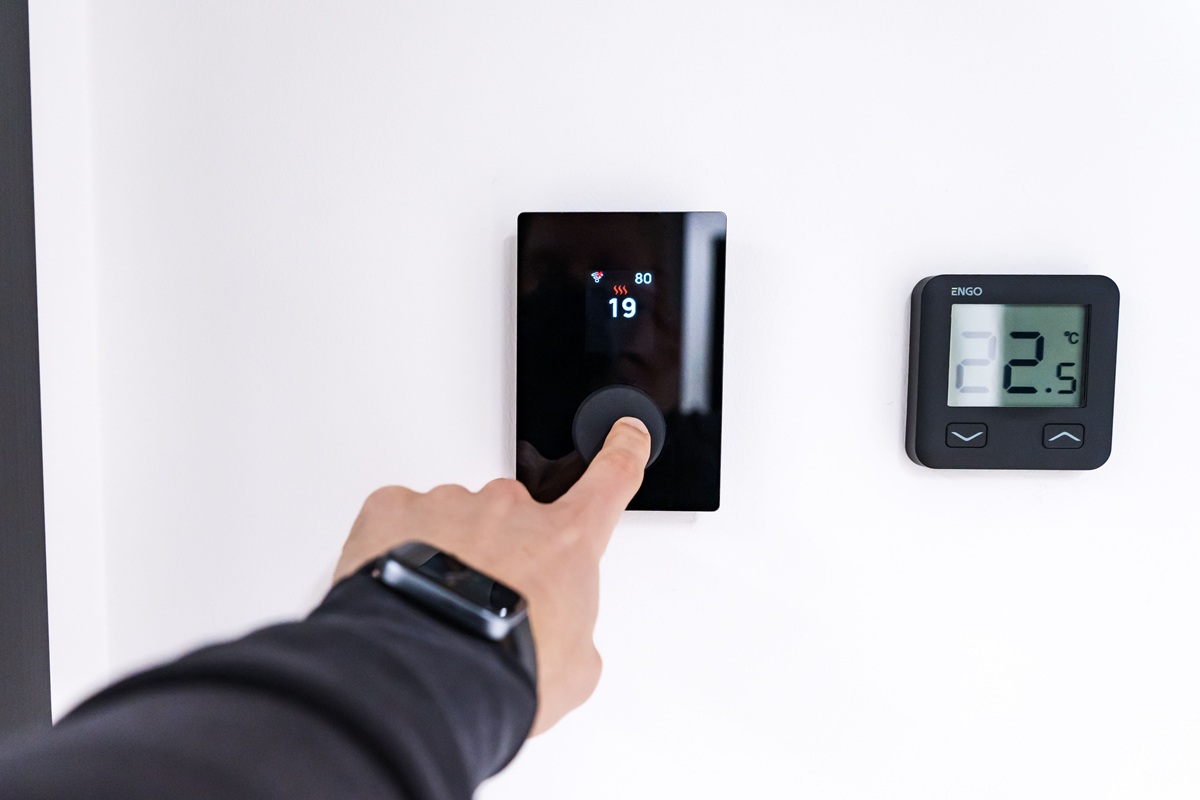
Here’s the catch. The device only works if people use it as intended. Years of utility studies have shown that a huge portion of households never program their thermostats at all, leaving the hardware functioning essentially as a glorified dial on the wall. In many homes, the programmable unit sits in the hallway with its factory default schedule still running, or worse, stuck in a permanent “hold” mode that negates every efficiency feature the manufacturer built in. The irony is that the more advanced the thermostat, the more likely it is to intimidate the person standing in front of it with a shivering finger hovering over the up arrow.
The behavioral gap is the single biggest reason the technology has earned a mixed reputation. Research summarized by ACEEE found that between 40 and 50 percent of programmable thermostat owners never actually set a schedule, which means they capture none of the intended savings. Others program a schedule but override it so frequently that the setbacks rarely happen. In practice, a thermostat that gets overridden three or four times a day delivers almost the same energy profile as one left at a constant setpoint, erasing the mathematical advantage that marketing materials rely on. This is also why many utilities have quietly scaled back the rebates they once offered for basic programmable models, redirecting those dollars toward smart thermostats that learn behavior automatically or toward whole-home assessments like a home energy audit before you upgrade your home.
Common reasons the feature goes unused include:
- Confusing interfaces with cryptic buttons and nested menus that require the original manual to navigate
- Schedules that don’t match irregular work-from-home routines, swing shifts, or households with teenagers coming and going at odd hours
- Discomfort returning to a cold or overheated house before the system catches up, especially in climates with large outdoor-to-indoor temperature swings
- Household members with different temperature preferences, which often leads to a silent thermostat war of nudges and overrides
- Fear of “breaking” the device by changing settings, particularly among older occupants or renters who did not install the unit themselves
- Daylight saving time changes and power outages that reset the clock and quietly throw off every scheduled setback
- Oversized or undersized HVAC equipment that makes aggressive setbacks feel punishing rather than efficient
When you combine these factors, the gap between advertised savings and real-world savings widens considerably. Field studies that compare lab-modeled savings to metered household data routinely show the real number landing at half, or even a third, of what manufacturers project. The hardware is capable. The humans operating it, often, are not consistently following through. This is exactly why true Energy Savers think about the thermostat as one piece of a larger behavioral and structural puzzle, rather than a magic box that pays for itself the moment it is screwed into the wall.
Smart Thermostats and the Next Generation of Energy Savers
Newer connected thermostats were designed specifically to close this behavioral gap. Instead of relying on users to program a weekly schedule, they learn occupancy patterns, detect when phones leave the house, and adjust automatically. Some integrate with utility demand-response programs that nudge usage away from peak hours.
Why Learning Algorithms Change the Math
A thermostat that learns your routine removes the biggest failure point: you. If the device notices nobody is home between 9 a.m. and 4 p.m. on weekdays, it can run a setback without being told. If you forget to switch to vacation mode, geofencing can do it for you. This automation is what separates a modern smart model from the basic programmable units sold a generation ago.
The documented savings back this up. According to the U.S. Department of Energy and ENERGY STAR, certified smart thermostats deliver average savings of 8 percent on heating and cooling bills. That figure is modest compared to older marketing claims of 20 or 30 percent, but it’s grounded in field data across many households rather than idealized lab conditions.
What Actually Affects Your Savings
The real savings any one household sees depend on a web of factors far beyond the thermostat brand or how many features it advertises on the box. The envelope of the house, the efficiency of the HVAC equipment, local climate, ductwork condition, and occupant behavior all matter at least as much as the control device itself, and in many cases they matter considerably more. A new thermostat bolted onto a drafty, under-insulated house is treating a symptom rather than the problem, like installing a cruise control system on a car with underinflated tires and a dragging brake caliper. The device may work exactly as designed, yet the underlying inefficiencies continue to bleed money month after month.
Before purchasing any new control device, it helps to understand the bigger picture of how energy moves through your home. That question deserves a careful answer, because the results often reshape upgrade priorities in ways homeowners do not expect. An audit can reveal air leaks around rim joists, insulation gaps in attic corners, duct losses hidden behind drywall, and single-pane windows that quietly undermine any thermostat strategy. Many Energy Savers who assume a smart thermostat is their best first move discover, after a blower-door test or thermal imaging scan, that sealing and insulation would deliver far larger returns for a comparable investment.
Factors that meaningfully influence thermostat savings include:
- The climate zone where you live and the seasonal temperature swings
- The baseline efficiency of your furnace, heat pump, or air conditioner
- How well your home retains conditioned air through insulation and sealing
- The number of hours per week the house is unoccupied
- Whether household members tolerate wider temperature swings
- The accuracy of the thermostat’s placement on an interior wall
- The condition and layout of ductwork, including any runs through unconditioned attics or crawl spaces
- The fuel type and local utility rates, which determine the dollar value of each saved kilowatt-hour or therm
- Whether the home uses zoning or relies on a single thermostat to manage the entire conditioned space
A homeowner in a mild coastal climate with a small, efficient home will see much smaller dollar savings than someone in a cold northern region with an older gas furnace running long heating cycles from October through April. A family that is home all day with young children or remote workers has far fewer setback hours available than a dual-income household that leaves the house empty from early morning until evening. Even the thermostat’s physical location matters: a unit mounted on an exterior wall, above a heat register, or in direct afternoon sunlight will misread the home’s true temperature and trigger unnecessary runtime. Context matters enormously, which is one reason savings estimates vary so widely from source to source, and why generic manufacturer claims should always be weighed against the specific realities of your own house.
Weighing Cost, Rebates, and Incentives
The upfront cost of a programmable or smart thermostat ranges from under fifty dollars for a basic unit to several hundred for a top-tier learning model with sensors and hub integration. Payback periods therefore vary. A basic programmable model in a cold climate home might pay for itself in a single heating season, while a premium smart model in a mild climate could take three or four years.
Tax Credits and Utility Rebates Worth Checking
Federal and state incentives can meaningfully shorten that payback window. According to the Internal Revenue Service, a qualifying home energy audit on your main residence can earn a tax credit of up to $150. That audit often identifies whether a thermostat upgrade is worth prioritizing or whether insulation and air sealing should come first.
Many local utilities also offer direct rebates on ENERGY STAR certified smart thermostats, sometimes covering half the retail cost or more. Enrolling in a demand-response program on top of the rebate can add annual bill credits. Checking with your utility before buying is one of the simplest ways to maximize the return on this type of upgrade, and it’s a step many homeowners skip entirely.
Common incentives to investigate include:
- Federal tax credits for qualifying efficiency improvements
- Utility rebates on ENERGY STAR certified thermostats
- Demand-response enrollment bonuses from power companies
- State-level efficiency programs with additional cash rewards
Getting the Most Out of the Device You Already Own
If you already have a programmable thermostat sitting unused, the cheapest energy upgrade in your house is probably five minutes with the manual. Simply enabling a schedule that reflects your actual routine can unlock most of the benefit the device was designed to deliver, without spending a dollar on new hardware.
A few practical steps make a noticeable difference. Program setbacks of seven to ten degrees during the longest unoccupied stretches of the day. Avoid short setbacks of only an hour or two, which tend to force the system into inefficient recovery cycles. Place the thermostat away from sunny windows, kitchen appliances, and supply vents so it reads the room temperature accurately.
For those shopping new, matching features to actual needs matters more than buying the flashiest model. A household with a predictable schedule may not need learning algorithms at all. A household with constantly shifting routines might benefit enormously from geofencing. The best Energy Savers approach is the one that fits how your family actually lives, not the one that looks most impressive in a product demo.
The Bottom Line
Programmable thermostats are neither a miracle nor a scam. They are a tool, and like any tool, their value depends on whether they’re used correctly and whether the underlying conditions make the tool appropriate in the first place. The documented average savings of around eight percent for certified smart models are real, but they are averages, which means some homes beat that number significantly and others barely move the needle.
The most common failure mode isn’t the hardware itself. It’s the gap between the schedule people intend to set and the schedule they actually follow. Modern learning thermostats close much of that gap by automating decisions, which is why they deliver more consistent results than their predecessors even if their headline savings numbers look similar.
The honest answer to whether this technology is overhyped is: it depends on the house, the climate, and the human. Pair a thermostat upgrade with a solid understanding of your home’s overall efficiency profile, take advantage of available rebates and tax credits, and set realistic expectations. Do those three things, and the device earns its keep. Skip them, and you’ll join the large group of homeowners who paid for a feature they never truly used.